Most people assume the best man speech and the maid of honor speech are basically the same thing, just pointed at different people. One is about the groom, one is about the bride. Otherwise, same format, same rules, same general vibe.
That’s not quite right. They share the same room, the same occasion, and a lot of the same ground rules. But they have different tones, different emotional registers, and different jobs to do at the reception. A best man who writes his speech like a maid of honor speech will miss the mark. A maid of honor who tries to replicate the best man’s energy will miss it too.
Here’s the actual difference and what it means for what you write.
First, the basics: When and where each speech happens
Both wedding speeches happen at the reception, usually after guests are seated for dinner and before or between courses. The best man traditionally goes first, followed by the maid of honor. Couples increasingly customize this order, but the back-to-back structure is common because it gives the evening a natural speech block before the rest of the night takes over.
Neither speech is mandatory. If someone genuinely isn’t comfortable speaking in public, the couple can skip it entirely or hand the role to someone who’ll enjoy the microphone. Don’t let obligation produce a bad toast.
One important note on modern weddings: both roles are increasingly gender-neutral. Best women, men of honor, and mixed-gender wedding parties are common. After all, the speech content and tone are shaped by the relationship, not the speaker’s gender. Everything in this article applies regardless of who’s giving which speech.
The best man speech
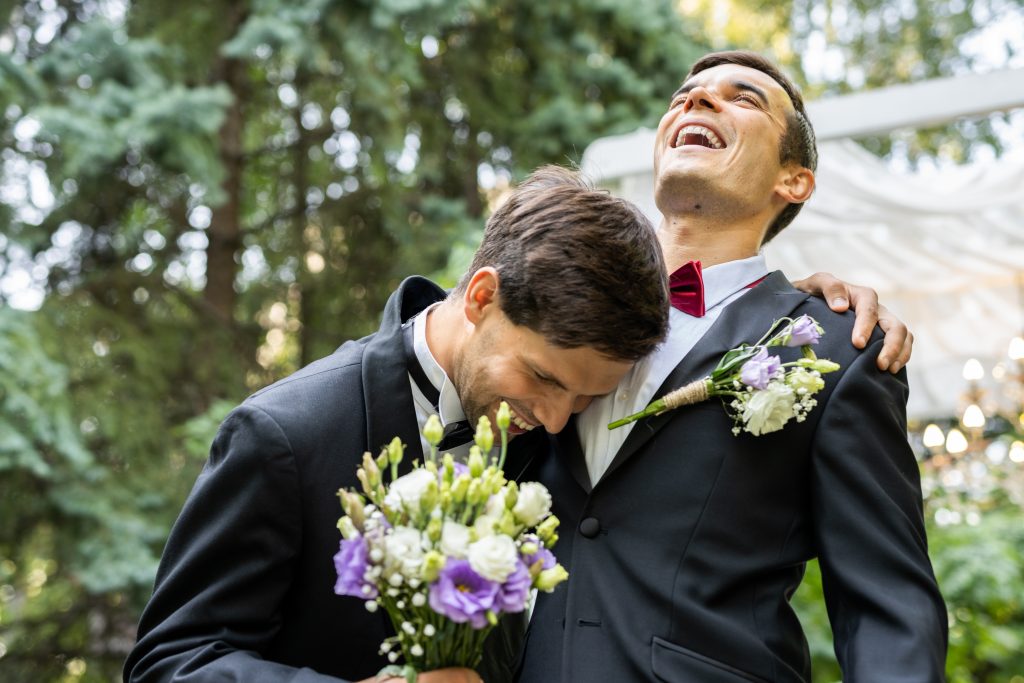
The best man speech has a clear cultural identity. It’s built around the groom, it’s expected to be funny, and it follows a recognizable arc: affectionate roasting early, a pivot to genuine admiration, and a landing on the couple’s future.
That reputation for humor isn’t accidental. It’s part of the job. But humor is a vehicle, not the destination. The best speeches use it to lower the room’s defenses, then land somewhere real.
The emotional ratio that works: roughly 70% sentiment, 30% humor. Too many jokes and it becomes a roast. Too much emotion and it becomes a eulogy. The goal is somewhere in the middle. The kind of speech that makes the groom squirm a little and then well up.
The structure that works:
- Hook early. The first 30 seconds either earn the room’s attention or lose it. Don’t open with “for those of you who don’t know me.” It’s a time-waster that divides the room into categories nobody asked for. Jump into something specific: a one-liner, a quick observation, the first line of a story.
- Briefly introduce yourself and your relationship to the groom. Two sentences. That’s all.
- Tell one or two stories that reveal the groom’s character. Ideally funny, always true. The stories should show something real about him, not just list his qualities. “He’s loyal” means nothing. The story of what he actually did means everything.
- Then pivot. This is the emotional center of a great best man speech and the part most people skip. Acknowledge the partner. How did the groom change when this person came into his life? What have you actually witnessed in the relationship that tells you this is the real thing? One genuine observation here is worth more than ten compliments about the bride.
- Close with a sincere wish for their future and a raised glass.
What makes a best man speech fail:
- Making yourself the main character. The stories should be about the groom, even when you were there.
- Going too long. The best man speech has a particular reputation for overstaying its welcome.
- Roasting without warmth. There’s a version of this speech that’s all jokes and no heart, and it leaves the room feeling vaguely uncomfortable.
- Inside jokes that only five people understand. And mentioning exes. Ever.
Length: 3–5 minutes.
The maid of honor speech
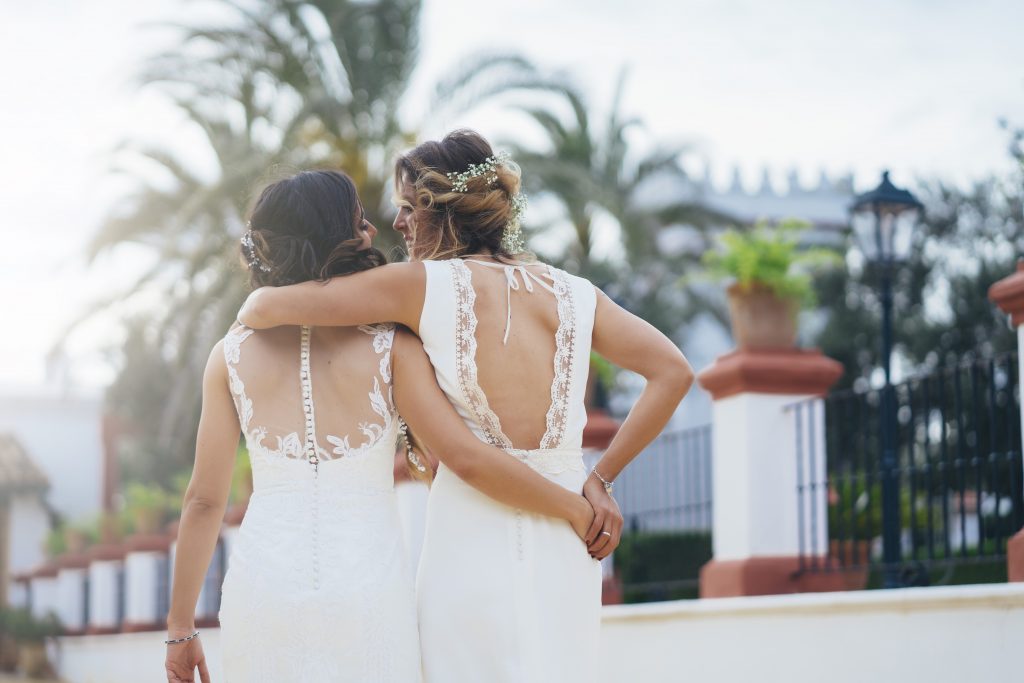
The maid of honor speech has a different center of gravity. It’s built around the bride and the relationship between the MOH and the bride. The room expects to feel something, not just to laugh. Humor is welcome and often excellent in a MOH speech, but the emotional register sits closer to the surface and sincerity is never far away. Crying is expected and completely normal, both from the speaker and from the bride.
The structural heart of the maid of honor speech is slightly different from the best man’s.
- Where the best man opens with a hook, the MOH opens by establishing the relationship. How you know the bride, how long you’ve known her, what that relationship has actually meant. This immediately gives every guest in the room the context they need to care about what comes next.
- From there: a story or memory that shows who the bride is. Not adjectives, but evidence. Not “she’s so giving” but the moment that proves it.
- Then the pivot: the moment you saw this relationship was different. What did you actually notice? A text you got. A look on her face. A behavior you’d never seen before.
What makes a maid of honor speech fail:
- Spending the entire speech on the friendship and barely mentioning the partner. You were asked to toast a couple, not your best friend.
- Making the speech about your emotions rather than the bride’s story. Crying without any structure underneath the emotion. The room will wait through tears, but not through a speech that has no direction.
- Inside jokes without enough context for the whole room.
- And again: no exes. No wild nights out. No “remember that summer in Cabo.”
Length: 2–4 minutes.
Side by side: The key differences
| Best man speech | Maid of honor speech | |
| Primary subject | The groom | The bride |
| Dominant tone | Humorous with heart | Heartfelt with humor |
| Goes first? | Traditionally yes | Usually second |
| Roasting? | Expected, a defining feature | Light teasing fine, roasting is not the default |
| Emotional range | Warm, funny, occasionally sincere | Sincere, warm, often emotional |
| Ideal length | 3–5 minutes | 2–4 minutes |
| Crying? | Uncommon (not wrong) | Expected and normal |
The difference isn’t that one speech is serious and one is funny. Both can be funny. Both should have real feeling in them. The difference is in where each speech is built from.
The best man speech is built outward from the groom’s character and your history with him. It moves from who he was, to who he is, to why his partner is lucky. The maid of honor speech is built from the relationship itself. It moves from how you know the bride, to what she means to you, to what you’ve seen in the couple together. Different foundations, different emotional arcs.
What both speeches have in common
Before the differences matter, these rules apply to both:
Specificity beats generality. “He’s the most loyal person I know” means nothing without the story that proves it. The same principle applies whether you’re the best man or the maid of honor. Give the evidence, not the conclusion.
Write it down fully. Don’t plan to wing it. Nerves and emotion will eat your words. Multiple wedding professionals consistently identify this as the most preventable mistake they see. Put it on paper.
Read it aloud as you write. A sentence that looks fine on a page can feel completely stiff when spoken. Writing and reading aloud at the same time closes that gap before the day arrives.
Practice three to five times before the wedding. Not to memorize it. Just to get comfortable with the shape of it. By the third read-through, you’ll know it well enough that glancing at your notes is all you need.
Don’t drink too much before speaking. This comes up in every guide about every speech at every wedding. It bears repeating.
No exes. Universal rule. No exceptions. Not even framed positively.
No inside jokes without context. If 90% of the room won’t get it, it doesn’t belong in the speech.
Keep the couple the subject. Both speeches fall into the same trap. The speaker becomes the main character without realizing it. Every story, every observation, every laugh should ultimately be about the couple, not about the person holding the microphone.
End with a clear raise of the glass. This is your signal to the room. Make it simple, make it warm, and deliver it with your eyes up.
You’re not the only one with something to say
The best man and the maid of honor gets 2–5 minutes. Between them, that’s maybe 8 minutes of a full wedding’s worth of voices. Two people with a microphone, out of every person in that room who loves the couple.
Every other guest—the college friend who flew in, the coworker who watched the whole relationship unfold, the relative who’s known the bride since she was a kid—they don’t get a mic. Their stories just don’t get said.
That’s exactly what The Toast captures. A professionally edited wedding video keepsake made from messages recorded by the couple’s guests. No public speaking required. Simple prompts, a phone camera, and we handle the rest.