You’re engaged. You’re excited. And then, somewhere between the congratulations and the Pinterest boards, it hits you: Where do I even begin?
If you’ve typed “where do I start when planning a wedding” at 1 AM, you’re not alone. The early stage of engagement is equal parts joy and quiet panic. After all, there are venues to book, budgets to figure out, families to align, and about a hundred opinions coming at you from every direction.
This is your reset button.
This wedding planning guide will walk you through exactly how to start planning a wedding, step by step. We’ll break it down by timeline, decisions, and what actually matters first, so you’re not stuck spinning your wheels on napkin colors.
How to begin planning a wedding
Before you dive into venues and vendor inquiries, pause. The first steps to planning a wedding don’t start with contracts. They start with the two of you.
1. Celebrate the engagement first
Take a breath and enjoy it. This milestone deserves more than a quick social post.
Plan a small celebration, book engagement photos, or simply spend a weekend soaking it in. Share the news in your own way, but tell your closest family personally before the wider announcement. This sets the tone for everything that follows.
2. Align on your vision
Before even wondering how to begin planning a wedding, start with a conversation.
Sit down together and talk about how you want the day to feel. Formal or relaxed? Big celebration or intimate gathering? Traditional ceremony or something more modern?
When couples skip this step, they end up reacting to trends instead of making intentional decisions. Aligning early makes every future choice easier.
3. Set 3–5 non-negotiables
After you define your vibe, identify your top priorities. These are the elements you’re not willing to compromise on.
It could be a specific venue, a certain photographer, live music, incredible food, or capturing meaningful moments on video. Once your non-negotiables are clear, your budget and guest list start to make sense. Everything else becomes flexible.
4. Start organizing your ideas
Now you can create Pinterest boards or mood boards that actually reflect your shared vision. But make sure to collect inspiration with intention and not impulse. Your boards should support your non-negotiables, not distract from them.
Set up a wedding website early, too. It will become your central hub for logistics, updates, and eventually RSVPs. Many platforms now offer free tools that integrate checklists and guest management.
5. Put simple systems in place
Create a dedicated wedding email address. You’ll thank yourself later.
You can also now sketch a rough planning timeline. Most couples work within a 12–18 month framework to spread out decisions and avoid burnout, but you don’t need a perfect calendar. You just need structure.
Wedding budget and planning foundation

Before you book anything, lock in your numbers. This is one of the core wedding basics, and skipping it creates stress later.
Set your total budget first
Agree on a realistic overall number. That means looking at your savings, income, and comfort level, not what social media says a wedding “should” cost.
Decide whether you’re self-funding or receiving help from family. In the U.S., weddings can range widely, from around $12,000 on a tighter budget to $70,000+ in major cities. But, ultimately, your number should reflect your priorities.
Define who’s contributing
Be clear about who is paying for what. Are contributions pooled into one general fund, or tied to specific categories like catering or attire?
Also discuss expectations. Some families prefer their contribution to go toward certain elements. Clarifying this early avoids tension later and is one of the main things to consider when planning a wedding.
Start tracking everything
Open a spreadsheet, download a template, or grab a dedicated notebook. Track quotes, deposits, due dates, and final payments from the beginning.
Most budgeting tools break down common things required for wedding planning: venue, catering, attire, photography, decor, stationery, transportation, and a contingency fund. If you prefer pen and paper, a wedding binder works just as well. The method doesn’t matter as long as you’re consistent.
Consider wedding insurance
Wedding insurance protects your investment if something unexpected happens, like vendor cancellations, extreme weather, or liability issues.
Policies often cost anywhere from roughly $100 to $400 for basic coverage, with more comprehensive plans reaching $1,000+ depending on location and protection level.
Some venues require liability insurance as well. Especially for higher-budget or destination events, it’s worth serious consideration.
Estimate your guest count early
Even a rough draft of your guest list changes everything. Venue size, catering costs, rentals, and seating all depend on headcount.
Start broad, then refine. Many budget tools allow you to plug in an estimate and automatically adjust per-person projections. This step alone answers several things to think about when planning a wedding because guest count directly drives spending.
Use percentage guidelines as a reference
Once you have a total number, you can loosely allocate:
- Venue & catering: 40 to 50%
- Photography & videography: 10 to 12%
- Attire & beauty: 8 to 10%
- Music & entertainment: 8 to 10%
- Flowers & decor: 8 to 10%
- Stationery: 3 to 5%
- Miscellaneous/contingency: 5 to 10%
These aren’t rules, though. They’re just guardrails and you can absolutely adjust based on what matters most to you.
When your budget is clear, every other decision gets easier. So make sure you take the time to sort these planning foundation steps.
A step by step wedding planning timeline
Once your vision and budget are set, it’s time to map out the actual wedding planning process.
Here are the core steps to planning a wedding, laid out in a way that keeps you ahead of deadlines instead of scrambling at the last minute.
12+ months before
This is where things shift from “we’re engaged” to “we’re actually doing this.” This stage locks in the big decisions that everything else depends on.
Start with your date and season. Weather, travel, peak pricing, and local events all matter more than you think. This is the first thing to do when planning a wedding, because once your date is set, venues and vendors can fall into place.
Next, decide what kind of ceremony you’re having. Religious, civil, destination, indoor, outdoor? This choice affects paperwork, timing, and venue options. It also sets the tone for the entire day.
If you’re considering a planner, hire them now. Good ones book out early, especially for peak seasons. If you’d like to DIY instead of getting wedding planning help, even a month-of coordinator can save you from timeline chaos later.
Then, secure your venue. Popular spaces often book 12 to 18 months in advance, so once you find one that fits your vision and guest count, move quickly. Review contracts carefully and lock in your date with a deposit.
Finally, reserve hotel room blocks for out-of-town guests. It keeps travel simple and gives your guests a better rate.
10–12 months before

Now things start picking up speed. This part of your wedding step by step journey is all about locking in the people who will shape how your day looks, sounds, and feels.
Book your high-priority vendors first. Photographers, videographers, DJs or bands, caterers, and officiants get reserved quickly, especially in peak season. If there’s someone you’ve been eyeing on Instagram, don’t wait too long to reach out.
Start attire research now. Wedding dresses can take months to produce and alter, and custom suits or cultural pieces need lead time too. Give yourself space to explore styles without pressure.
Choose your wedding party during this window as well. Ask them in a way that feels true to your relationship, then be clear about expectations so no one’s guessing. This is also when group chats start buzzing.
Schedule engagement photos once your photographer is booked. You’ll use those images for your website and save-the-dates, but this will also make sure that you’ll get comfortable in front of the camera in time for the wedding. It’s a low-stress way to ease into being photographed.
Then send your save-the-dates. Especially for destination weddings or busy seasons, guests need time to plan travel and time off. This phase locks in your core team and signals that the countdown is officially on.
8–10 months before
At this point, contracts are getting signed, numbers are tightening up, and your plans move from “idea” to “official.”
Finalize your vendor contracts during this window. Double-check payment schedules, cancellation terms, and what’s actually included before signing. Keep everything organized so you’re not digging through emails later.
Set up your registry. Mix different price points, and consider adding experiences, honeymoon funds, or group gifts. Guests like having options, especially those who shop early.
Lock in any rentals your venue doesn’t provide. Extra tables, chairs, linens, lighting, specialty décor, or ceremony pieces should be reserved now. Waiting too long can limit your choices.
Refine your guest list again. Confirm your main list, gather addresses, and decide how you’re handling plus-ones. A clearer headcount keeps catering and rental costs aligned with reality.
6–8 months before
The big pieces are booked, so this phase is about how everything looks, feels, and fits together. This is also when the emotional details start to matter more.
Begin your dress fittings and finalize your attire. Alterations can take months, so schedule appointments early and order accessories like shoes and jewelry.
Book and complete your hair and makeup trials. Test your look in natural light, wear it for a few hours, and take photos so you know how it holds up. You want zero surprises on the wedding day.
Handle legal requirements during this window. Research your marriage license timeline, waiting periods, and required documents. Some areas require applications weeks in advance, so don’t leave this until the last minute.
Finalize your décor plans next. Confirm your color palette, floral direction, lighting, and ceremony layout.
Most couples have already secured photography and videography by now. But very few plan intentionally for guest messages, family stories, grandparents’ voices, or the quiet, off-mic moments that don’t make it into highlight reels. This is the time to think about how you’ll preserve those.
One option is something like The Toast, where your guests could record short messages through the app, and you’ll end up with a wedding keepsake video built from the people who know you best. If you want to do it yourself, you can also use the platform to collect and download every guest clip. Either way, you’re not leaving the best parts to chance.
4–6 months before
Now you move into guest-facing details. This stage is less wedding basics and more about shaping the actual experience people will have.
Schedule your catering tasting and lock in your menu. Confirm dietary accommodations, portion style, and your bar package so there are no surprises later. Per-plate costs can vary widely depending on service style and location, so make sure selections align with your budget.
Finalize your cake or dessert plans next. Choose flavors, confirm design, and adjust quantities based on your updated guest estimate. Bakeries also need lead time, especially for custom or detailed designs.
Design and order your invitations. Include a clear RSVP deadline and any details guests need, like accommodations or your wedding website. Printing timelines and custom finishes can take longer than expected, so don’t wait.
Reconfirm your rentals based on your final headcount. Double-check quantities and coordinate delivery and pickup times with your venue. Make sure the numbers match the reality of your event.
3–4 months before
At this point, it’s less about booking and more about coordination. You’re tightening details so the day feels smooth instead of rushed.
Start shaping your seating chart. Look at your RSVPs, consider family dynamics, and decide whether you’re assigning tables or specific seats. A thoughtful layout avoids awkward moments and keeps conversations flowing.
Build out your full day-of timeline. From getting ready to the last dance, map transitions clearly so no one’s guessing what happens next. Send it to your vendors so everyone works from the same plan.
Reconnect with each vendor to confirm logistics. Arrival times, setup windows, access points, restrictions, and backup weather plans should all be clear. This isn’t glamorous work, but it protects your day.
Then think through the guest experience. Transportation, signage, pacing, and how people participate in key moments all matter more than you think. When guests know where to go and what’s happening, they relax. And that’s when the celebration actually feels effortless.
You can also make participation simple and meaningful with a digital guestbook. Set up an iPad or small booth at your reception, or place table cards with a QR code that guests can scan to record short video messages for you via The Toast. You can even add prompts to guide them, so no one’s stuck wondering what to say.
1–2 months before
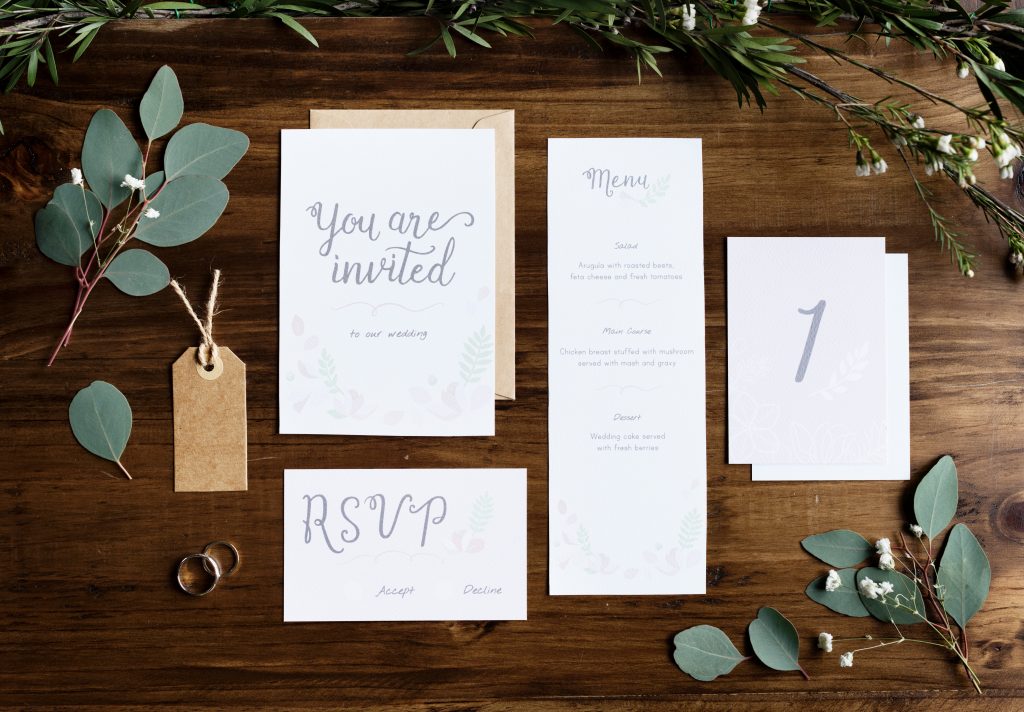
Now it feels really close. The countdown is visible, and the small details start carrying more weight. This stage of your wedding planning process is about final confirmations and personal touches.
Send out your formal invitations if you haven’t already. Track RSVPs, follow up with non-responders, and begin finalizing meal selections.
Attend your final fittings. Try on your full look with accessories and break in your shoes so nothing feels unfamiliar.
Schedule your ceremony rehearsal. Walk through the processional, cue timing, and seating so everyone knows where to stand and when to move. Even a simple run-through reduces nerves on the actual day.
Plan your rehearsal dinner right after. Confirm the guest list, location, and who’s giving toasts if you’re having them. For many couples, this is the first relaxed moment where both families sit down together.
Write or finalize your vows and confirm playlists with your DJ or band. Lock in ceremony music, first dance songs, parent dances, and your must-play and do-not-play lists.
Prepare welcome bags if you’re hosting out-of-town guests. Include snacks, an itinerary, and any helpful local details. It’s a small gesture that sets the tone before the wedding even begins.
The final week
You’ve done the work.
Touch base with every vendor one last time. Confirm arrival times, final headcounts, remaining payments, and who to contact if something comes up. Keep it simple and clear.
Pack a small emergency kit. Safety pins, fashion tape, stain remover, pain relievers, snacks, and a phone charger are usually enough. Hopefully you won’t use most of it.
And then, slow down. Eat properly, hydrate, sleep, and let other people handle logistics. This is where you stop planning and start being present.
You can plan the perfect wedding (without losing your mind)
That’s how to plan the perfect wedding, in a nutshell. But the truth is, perfect doesn’t mean flawless. It means intentional.
The weddings people remember most aren’t the ones where everything went exactly on schedule. They’re the ones where the couple felt present, the guests felt considered, and the moments felt real.
You set priorities early. You aligned on what mattered. You made decisions based on your values, not just trends. That’s what shapes a meaningful celebration.
A detailed wedding checklist for brides or groom wedding planning guides can keep both of you aligned. But beyond lists and timelines, what makes a wedding feel right is clarity on what you care about most.
If you focused on guest experience, your people will feel it. If you planned for memory preservation—not just photos, but voices and stories—you’ll have something lasting. If you stayed grounded in your non-negotiables, the rest becomes background noise.
The perfect wedding isn’t one without hiccups. It’s one that reflects your relationship, your priorities, and the people who showed up for you.
You’ve built that.