Picking your wedding date sounds so simple, until you realize it shapes almost every decision that comes after. Your venue options, your vendors, your guest list, even your budget all depend on that one choice.
Most couples land on a date about a year before the wedding, but getting there isn’t always straightforward. Do you choose a meaningful date? Go with what’s available? Chase a “perfect” season?
If you’re wondering how to pick a wedding date, this guide walks you through it clearly. We’ll cover the practical factors that actually matter, the pros and cons of each season, and popular and “cool” dates.
When should you pick your wedding date?
Most couples don’t realize how early this decision needs to happen. The average engagement lasts about 15 months, and wedding planning itself takes around 12–14 months. That’s why many couples choose their date roughly a year in advance. This gives enough time to book vendors, plan details, and avoid last-minute stress.
If you’re figuring out how to choose a wedding date, there’s no single “right” way to do it. Some couples start with meaning, others start with logistics. Most end up balancing both.
Here are a few common starting points:
- Meaningful relationship dates: Your first date, engagement anniversary, or the day you met.
- Family milestones: A parent’s anniversary or a date that honors someone important.
- Season preferences: Spring gardens, summer sunsets, fall colors, or a cozy winter wedding.
- Venue dreams: If you have a specific venue in mind, your date may depend on its availability.
- Guest travel needs: Especially important if you have out-of-town or international guests.
Once you lock in a date, everything else starts moving. You’ll:
- Book your venue
- Secure key vendors like your photographer and planner
- Send save-the-dates
- Start organizing your guest list and travel details
That one decision becomes the anchor for your entire timeline.
It’s also worth knowing what kind of planning pace you want. Short engagements (under 9 months) move fast and limit your options, while longer ones (18+ months) give you flexibility but can drag things out. Most couples land somewhere in the middle because it keeps the momentum without the pressure.
Practical factors to consider when choosing a wedding date
Once you move past the “what feels right” part, the real decision comes down to logistics. Before you lock anything in, it’s worth looking at the key factors that can either make planning easier or quietly cause problems later. Here are some:
Venue availability
Venue availability is often the biggest factor that decides your wedding date. Popular venues book out 12–18 months in advance, especially for Saturdays and peak seasons. If you already have a specific venue in mind, your date will likely depend on what’s still open.
High-demand venues and destination locations can book even further out, which limits your options quickly. Spring, summer, and early fall weekends tend to go first, so waiting too long can mean settling for what’s left. That’s why many couples start with a few possible dates instead of just one.
If the venue matters most to you, flexibility makes a big difference. Being open to nearby dates or off-season months can help you secure the place you actually want. Otherwise, you risk choosing between your dream venue and your preferred date.
Vendor availability
Your wedding date also depends on the people who will actually make the day happen. Most weddings involve around 10 to 14 vendors, from your photographer and planner to your florist and DJ. Always remember this: The best ones don’t stay available for long.
Top vendors often book a year or more in advance, especially during peak seasons. Once your venue is locked in, the next step is securing your core team while they’re still free. If you wait too long, you may need to compromise on your preferred vendors.
If there’s a vendor you really want, their calendar can shape your date. Some couples adjust their timeline just to book a specific photographer or planner. It’s a trade-off, but for many, it’s worth it.
Budget
Your wedding date can directly affect how much you spend. Peak seasons come with higher prices because demand is at its highest. Venues and vendors often charge more simply because they can fill those dates easily.
Off-season dates, usually in winter or early spring, tend to be more budget-friendly. Lower demand means more flexibility, and some venues offer noticeable discounts compared to peak pricing. That difference can significantly reduce your total cost, especially since venue and catering take up the biggest share of most wedding budgets.
Guest travel and schedule
Your date also affects who can actually be there. If you have out-of-town guests, they’ll need time to book flights and plan around other commitments. Destination weddings make this even more important since travel takes more time and coordination.
Schedules matter just as much as location. Work deadlines and busy seasons can limit when people can attend. Long weekends can help, but holidays can go either way. Take into account that they’re convenient for some guests and complicated for others.
The Toast changes the equation, though. With us, you can build what we call a T-List—your The Toast list—a separate group of people who can’t physically be there on the day but still get to be part of it. The relative who lives across the country, the college friend who can’t get the time off, the grandparent who can’t travel. They record their messages from wherever they are, and their voices become part of your keepsake. The date stops being a barrier. The people who matter most show up anyway, just not in person.
Choosing the right wedding season
Your season sets the tone for everything. From the look and feel of your day to pricing and availability, it plays a bigger role than most couples expect when narrowing down wedding dates.
Each season comes with trade-offs, so it’s not just about what looks good. It’s about what works for your priorities and preferences. Here’s how to think through the pros and limits of each one before you decide.
| Season | The vibe | The benefits | How The Toast can help |
|---|---|---|---|
| Spring | Fresh, romantic | Mild weather, blooming venues | Capturing stories about growth and new chapters |
| Summer | High energy, celebratory | Vacation season means guests are in a relaxed, festive mood | Collecting messages from guests traveling from afar |
| Fall | Warm, cinematic | Mild weather, stunning backdrops | Getting the voices of those who couldn’t make the cut or the trip |
| Winter | Intimate, cozy | Budget-friendly dates and venues | Recording meaningful one-on-one moments from those closest to the couple |
Spring weddings
Spring weddings are a popular choice for couples who want a natural setting. The weather is usually mild and outdoor ceremonies feel easy to plan. It’s also a time that naturally fits the idea of starting something new.
That said, spring can be unpredictable. Rain, sudden temperature changes, and allergy season can affect both your plans and your guests. As demand starts to rise, venues and vendors also begin filling up quickly, especially toward late spring.
Summer weddings
Summer is often considered the most common wedding season for a reason. Longer days and warm weather make it easier to plan outdoor ceremonies and extended celebrations. It’s also a convenient time for guests who can travel during vacation season.
But summer comes with trade-offs. Heat can make outdoor events uncomfortable and travel costs tend to be higher. With high demand across the board, venues and vendors are usually booked well in advance, so timing matters.
Fall weddings
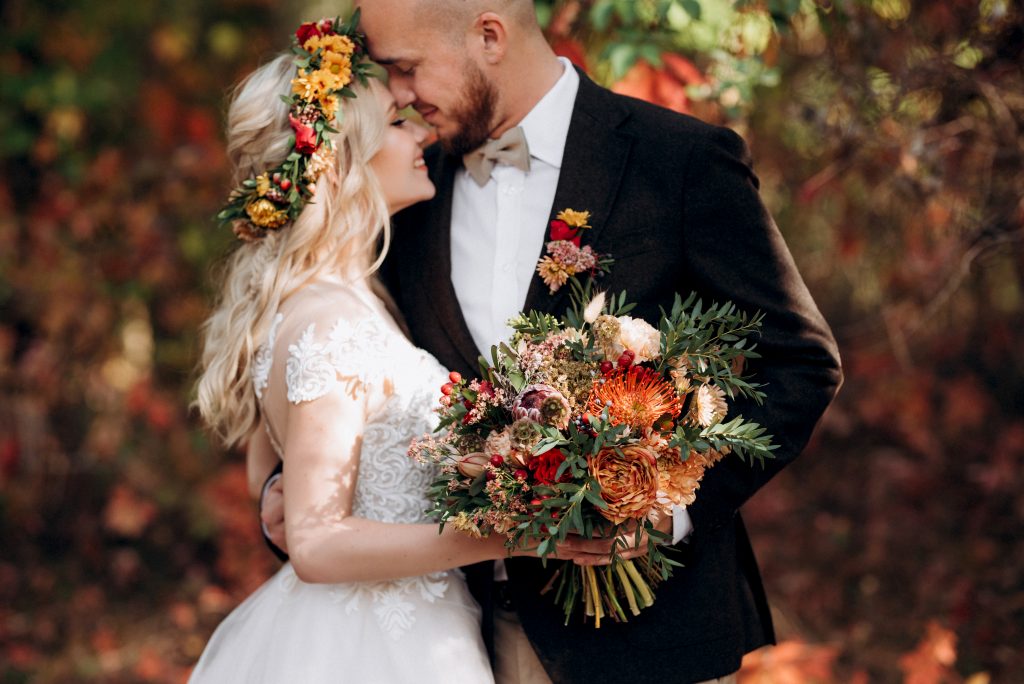
Fall is one of the busiest times of the year for weddings, and many of the most popular wedding dates fall within this season. Cooler weather, changing leaves, and rich colors make it ideal for both outdoor ceremonies and photos. It’s also easier for guests to attend since summer travel has already passed.
That popularity comes with pressure. Venues and vendors book quickly, and prices can rise due to demand. If you’re set on a fall wedding, you’ll need to plan earlier and stay flexible with your date.
Winter weddings
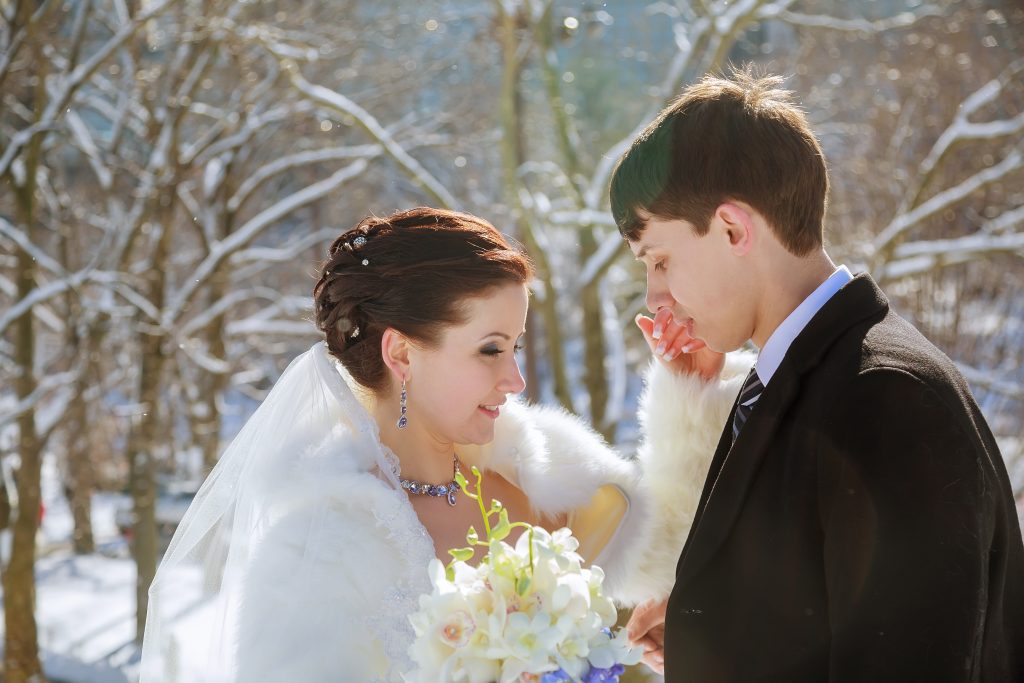
Winter weddings are less common, but they offer a more intimate and relaxed atmosphere. The season naturally leans into cozy details like candlelight and warm tones. It’s a different kind of setting. It’s much more quiet and often more personal.
There’s also a clear cost advantage. Winter is considered the off-season, so venues and vendors are more available and may offer lower rates. The trade-off is dealing with cold weather, shorter daylight hours, and possible travel delays for guests.
Choosing the best day of the week
Your wedding day isn’t just about the date. It’s also about when people can actually show up and enjoy it. The day of the week you choose affects availability and how easy it is for guests to attend.
If you’re trying to find the best date for wedding plans that actually work, this is where trade-offs start to show. Each option comes with its own pros and limits, so it’s worth looking at them side by side before you decide. Here are the choices:
Saturday weddings
Saturday is still the most popular choice for a reason. It’s the easiest day for guests to attend without adjusting work or school schedules. It also gives everyone time to travel, settle in, and enjoy the full event.
That convenience comes at a cost. High demand means venues and vendors book up faster, and pricing is usually higher than other days. If you want a Saturday wedding, you’ll need to plan earlier and be ready to compete for availability.
Friday and Sunday weddings
Friday and Sunday weddings are a common alternative if you want more flexibility. These dates usually come with lower venue costs and better availability for vendors. You’re more likely to book your preferred team without competing for limited slots.
The trade-off is guest convenience. Some guests may need to take time off work for a Friday wedding or leave early for a Sunday one. Travel plans can also feel tighter, especially for out-of-town guests.
Weekday weddings
Weekday weddings are the most flexible when it comes to cost and availability. Venues and vendors are easier to book, and pricing is often lower compared to weekends. For couples prioritizing budget or specific vendors, this can open up more options.
The downside is attendance. Guests may not be able to take time off work or adjust their schedules to attend. It also requires more planning on their end, especially for travel and accommodations.
Most popular wedding dates couples choose
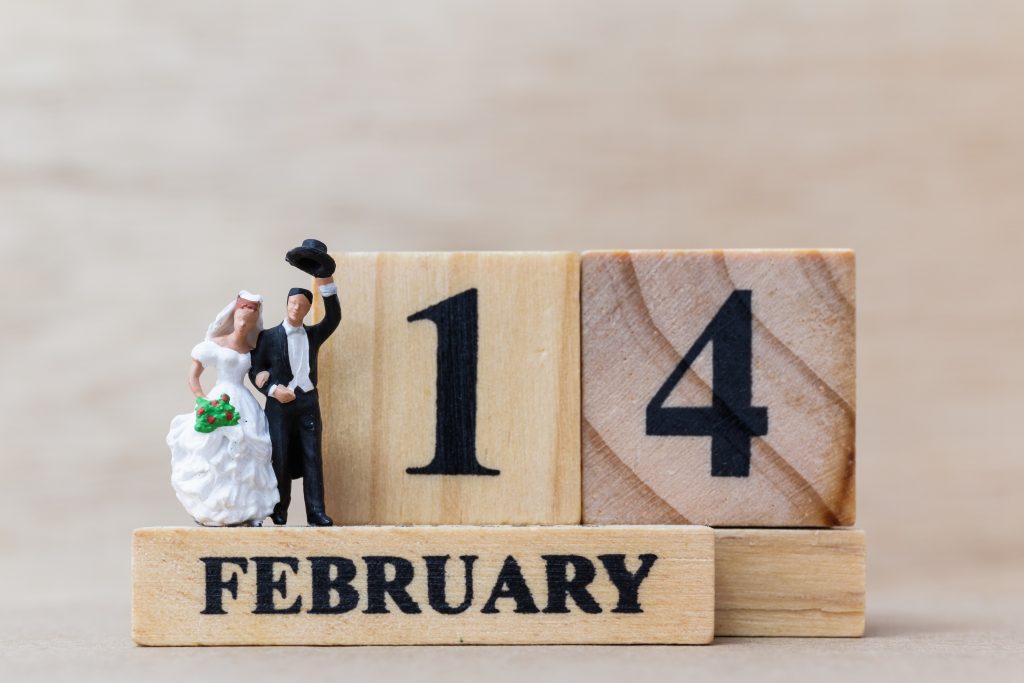
Some wedding dates become popular because they check multiple boxes at once. They fall on weekends, land in good weather, and are easy to remember. That combination makes certain dates more in demand than others every year.
Patterns show up quickly when you look at it. Late spring and early fall weekends are always competitive because of weather and guest convenience. Dates with repeating or symmetrical numbers, like 06/06/26 or 10/10/26, also stand out because they’re simple and memorable.
That’s why these dates don’t stay available for long. Couples often book them more than a year in advance, especially if they fall on a Saturday or during peak season. If you’re aiming for one of these, you’ll need to move early or stay flexible.
Some couples take it a step further and choose lucky wedding dates based on personal or cultural meaning. This can include astrology or selecting a numerology marriage date that aligns with certain numbers. It’s not necessary, but for some, it adds another layer of meaning to the day.
Cool dates in 2026 that couples will love
Some couples don’t just want a date that works. Couples want a wedding date that stands out. That’s where cool dates in 2026 come in. These are dates that are easy to remember and often carry some kind of pattern or meaning.
Most cool wedding dates in 2026 follow simple patterns like repeating or symmetrical numbers. They’re visually satisfying and easier for guests to recall, which makes them popular for both practical and aesthetic reasons. Some couples also like the added symbolism, especially with numbers tied to partnership or balance.
Here are a few cool dates to get married in 2026:
- 02/02/2026
- 03/06/2026
- 05/06/2026
- 06/06/2026
- 08/08/2026
- 10/10/2026
- 12/12/2026
These dates tend to book quickly, especially when they fall on weekends or during peak seasons. If one of these stands out to you, it’s worth checking availability early before it fills up.
Wedding dates couples may want to avoid
Not every date is a good fit, even if it looks convenient on paper. Some dates create avoidable issues with availability and your overall wedding budget. A quick check of the calendar can save you from bigger problems later.
Major holidays are one of the biggest conflicts. Guests may already have plans, travel costs are higher, and vendors may charge premium rates or be unavailable. Long weekends can seem appealing, but they often come with the same trade-offs.
Religious observances can also affect who can attend. Dates that overlap with events like Easter or Ramadan may limit participation for some guests. It’s worth checking these in advance, especially if your guest list includes different traditions.
Large events and personal schedules matter, too. Major sporting events can impact travel and hotel availability. Family milestones like birthdays or graduations can also create conflicts. On top of that, peak travel periods can drive up costs and make it harder for guests to commit.
Most dates can work, but avoiding obvious conflicts makes planning easier. It gives your guests a better chance to show up and keeps your budget and logistics under control.
How to finalize your wedding date
Once you’ve narrowed down a few good wedding dates, the goal is to lock one in without second-guessing. This step is about turning options into a confirmed plan so everything else can move forward. The sooner you finalize it, the easier the rest of your timeline becomes.
Start by choosing a general timeframe, then align on what matters most to both of you. That could be a meaningful date or availability from your preferred venue or vendors. Having clear priorities helps you decide faster, especially if you’re choosing between multiple best wedding dates in 2026.
Next, check your venue and key vendors before committing. Once those are available and booked, your date becomes official. After that, review guest logistics, especially if your wedding guest list includes people who need to travel.
Then, send your save-the-dates once everything is confirmed. This gives guests time to plan and locks your date into everyone’s calendar. At this point, your wedding timeline is set, and the rest of the planning can fall into place.
Your wedding date matters more than you think
At the end of the day, your wedding date does more than set a schedule. It shapes who can be there, how the day unfolds, and what the experience feels like for everyone involved.
Still, not everyone you love will be able to attend in person. That’s just part of the reality couples face. But that doesn’t mean they have to be left out completely.
While the date on the calendar marks the celebration, the real storytelling happens in the months leading up to it. With The Toast, you can collect video messages from loved ones and friends who can’t come to your wedding as well as your in-person guests months before the wedding.
And that’s not even the best part. Our team will handle getting you set up in the platform, inviting them to the app, and turning their messages into a personalized wedding video keepsake you can watch for years to come.
Those moments matter more than the date itself. Long after the timeline and the details fade, what stays are the people and the stories you get to keep.
FAQs about wedding dates
How far in advance should you pick a wedding date?
Most couples choose their wedding date 12–18 months in advance to secure venues and vendors. Shorter timelines are possible, but they usually require more flexibility.
What is the most popular wedding date?
The most popular wedding dates are typically Saturdays in peak seasons, especially in September and October. Dates with repeating or symmetrical numbers also tend to be in high demand.
What month is best for weddings?
There’s no single best month, but October, September, and June are consistently popular due to favorable weather. The right choice depends on your priorities and preferred style.
Are lucky wedding dates important?
Lucky wedding dates matter to some couples, especially those who follow cultural or numerology traditions. Others focus more on practical factors like availability and guest schedules.
Can you change your wedding date after booking a venue?
Yes, but it depends on your venue’s contract and availability. You’ll also need to coordinate with vendors and inform guests, which can get more complicated later in the planning process.