Most wedding registries start the same way: a big-box store scanner gun and a vague sense that you’re supposed to want a stand mixer. Somewhere around the fortieth item, it stops feeling personal and starts feeling like an inventory list.
The couples who end up happiest with their registry usually build it around what they’ll actually use or actually remember, not what a checklist says a new household needs. These wedding registry ideas mix the practical with a little more of the unexpected, so your list ends up reflecting the two of you instead of a generic template.
How a wedding registry works
A wedding registry is a curated list of gifts you’d like to receive, shared with guests so they know what to buy instead of guessing. Most couples set one up online through a retailer or a registry platform, add items across a range of prices, and share the link on their wedding website so guests can shop directly from it.
Registries typically go live six to nine months before the wedding, giving guests time to purchase gifts before bridal showers and the wedding itself. Most platforms let you register across multiple stores from one list, track what’s been purchased, and add or remove items as the big day gets closer.
Wedding registry ideas guests actually want to give
The most interesting registries mix practical household items with a few things guests wouldn’t expect to see on a list. Here’s what’s actually resonating with couples building registries in 2026.
| Category | Example items | Why it works |
| Experience gifts | Cooking classes, wine tastings, concert tickets | Gives a shared memory instead of another object |
| Honeymoon fund | Contributions toward flights, hotels, excursions | Lets guests fund something you’ll actually use right away |
| Personalized items | Monogrammed linens, custom artwork, made-to-order furniture | Feels specific to you instead of mass-produced |
| Hobby-based gifts | Homebrewing kits, garden tools, art supplies | Reflects what you actually do together, not what a registry checklist says you need |
| Charitable giving | Donations to a cause you care about | Skips the clutter entirely for couples who already have a full household |
| Eco-friendly swaps | Beeswax wraps, glass storage, a French press instead of pod machine | Replaces single-use items with ones guests know will get daily use |
| Kitchen tech | Air fryer ovens, sous vide cookers, high-powered blenders | Upgrades how you actually cook instead of duplicating what you already own |
1. Experience gifts

Nobody needs another cheese board. If you’re already stocked up on kitchen basics from years of living together (or just don’t want your cabinets to look like a department store display), experience gifts solve the “what do we actually want” problem in one move. Think contributions toward a cooking class you take together, a wine tasting weekend, tickets to a concert or a show you’ve been talking about for months. Instead of one more object that ends up in storage, you get an afternoon or evening you’ll actually remember.
This route works best for couples who already live together, have merged households, or simply value doing things over owning things. Several registry platforms (Zola and Honeyfund among them) now let you add specific experiences directly to your list, so guests can buy the exact class or outing rather than defaulting to a generic gift card. The specificity matters: “pottery class for two” gets picked far more often than a vague “fun money” entry, because guests like knowing exactly what their gift becomes.
2. A honeymoon fund

If your registry needs are already covered, or you’d rather guests fund the trip than the toaster, a honeymoon fund is the classic workaround. Instead of physical gifts (or alongside a smaller registry), guests contribute toward flights, hotels, or a specific excursion you’ve already got planned. It’s less abstract than it sounds once you break it down into pieces guests can picture.
That’s actually the key to making a honeymoon fund work: specificity beats one lump sum every time. “Sunset dinner in Santorini” or “the snorkeling trip in Cozumel” gets more traction than a single “honeymoon fund” line item, because guests like knowing their contribution paid for something real. This is a great fit for couples who are traveling somewhere far or splurging on an experience-heavy honeymoon, and it also gives guests who want to spend more than a typical registry gift an easy way to do it.
3. Personalized items

There’s a difference between a gift that fits your home and a gift that was made for it. Monogrammed linens, custom artwork, or furniture built specifically for your space cost more to source and take longer to arrive, but they read as far more thoughtful than anything pulled straight off a shelf. These are the items people remember giving, and the ones you’ll still be using (or hanging) a decade in.
Because of the cost and lead time, personalized items work best as the one or two “splurge” entries on an otherwise practical registry, rather than the whole list. They’re also a natural fit for close family or a group gift, since a handful of guests pooling together can cover something custom that no single guest would take on alone. If you’re the kind of couple who already knows exactly where that piece would go in your home, this category is worth the wait.
4. Hobby-based gifts

A registry full of matching towels and dish sets can start to feel like it belongs to nobody in particular. Hobby-based gifts fix that. A homebrewing kit, a set of quality garden tools, or a fully stocked art supply box says more about who you actually are than another set of bath towels ever could.
This category is easiest for couples who already share a hobby together, since one registry item can serve you both without much extra effort or research on the guest’s part. But it also works if you each have your own thing going: a few entries for his woodworking habit, a few for her home-barista setup. It’s a low-lift way to make a registry feel personal, and it tends to be genuinely fun for guests to shop, since it feels less like a chore and more like picking out a gift for a specific person.
5. Charitable giving

For couples who’ve already built a full household together, “we don’t need anything” is a real problem, not false modesty. Redirecting registry gifts toward a cause you both care about is an increasingly common way around it, and it solves a problem that traditional registries were never built to handle.
This route tends to appeal to couples getting married a bit later, second marriages where both partners already have established homes, or anyone who’d rather their wedding do some good in the world than add to a closet. Some couples pick one cause and list it clearly; others offer it as an option alongside a smaller traditional registry, so guests who want to buy a physical gift still can. Either way, it’s worth naming the cause specifically. A vague “donate in our honor” gets far less engagement than “we’re supporting [organization], which means a lot to us because…”
6. Eco-friendly swaps
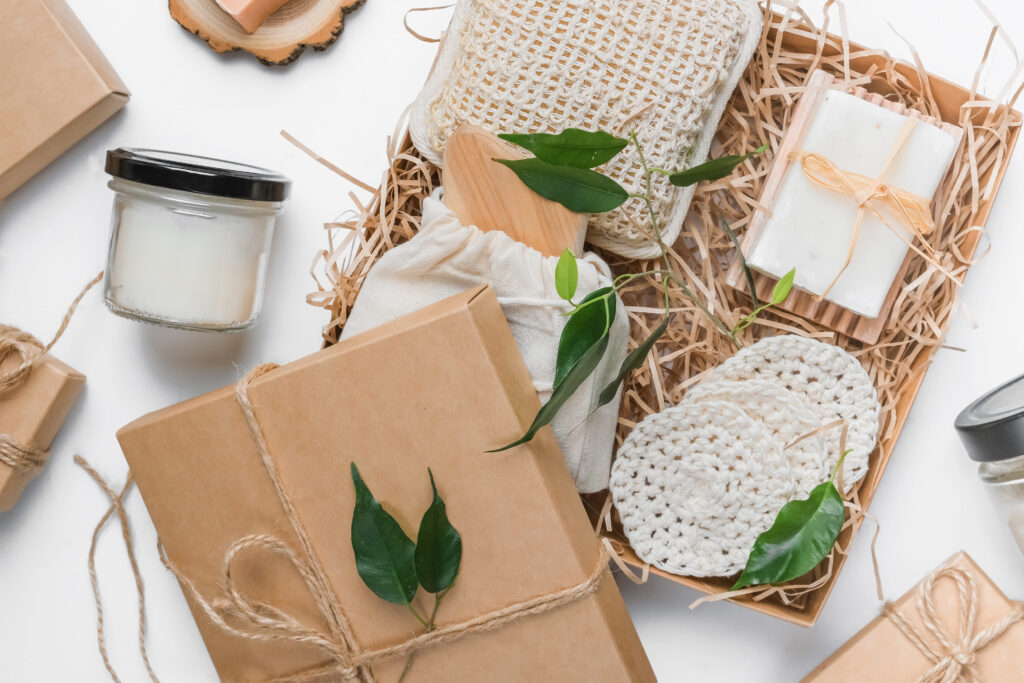
Small, daily-use items don’t get much attention on most registries, but they’re often the ones that end up getting used the most. Beeswax wraps instead of plastic wrap, glass containers instead of plastic ones, a French press instead of a pod machine: none of these are exciting on their own, but they show up in your kitchen every single day.
This category is best suited to couples who are already leaning toward a more sustainable household, or who simply want their registry to reflect values, not just aesthetics. The nice thing about eco-friendly swaps is that they don’t require guests to spend a lot to feel meaningful. A twenty-dollar set of glass containers does real, ongoing work in a kitchen, which makes this a practical, values-aligned addition even on an otherwise conventional registry.
7. Kitchen tech
The stand mixer and the formal dish set used to be registry staples almost by default. These days, they’re sharing space with air fryer ovens, sous vide cookers, and high-powered blenders, and for good reason: this is how a lot of people are actually cooking now.
Kitchen tech is a strong pick for couples who cook often but aren’t especially formal about it, since these items tend to earn their keep on weeknights rather than sitting in a cabinet for special occasions. They’re also a good middle ground for guests who want to spend a reasonable amount on something the couple will genuinely use, without going as big as furniture or a honeymoon contribution. If your registry is starting to feel like it’s built for a version of your kitchen you don’t actually have, this is often the easiest category to update.
Why experience-based gifts are taking over registries
The shift toward experiences over objects isn’t just a trend line, it’s couples realizing that the gifts they remember years later are rarely the ones sitting unused in a cabinet. A cooking class or a contribution toward your honeymoon becomes a memory. A fourth set of mixing bowls usually doesn’t.
That same logic applies to something that isn’t on any registry platform at all: the people at your wedding, and what they’d say about you if someone asked. This is where The Toast fits naturally into the gift conversation. Instead of another item on a list, it turns your guests’ messages, stories, and well wishes into a professionally edited keepsake video, so the “gift” becomes something you’ll actually rewatch, not something that gets regifted or returned.
Wedding registry tips for building yours
A few small habits make a registry easier to manage and more likely to get fully purchased before the wedding.
Mix your price points deliberately. A registry made up entirely of $200 items prices out guests who want to contribute something smaller, while one that’s all $20 items leaves generous guests without a meaningful way to give more. Aim for a spread, so everyone from a coworker to a close family member has something that fits their budget.
Register in more than one place if it makes sense for your list. Some couples use a single retailer for simplicity; others prefer a universal registry platform that pulls items from multiple stores into one shareable link, especially useful if your registry mixes traditional items with experiences or a honeymoon fund.
Update it as RSVPs come in. If a big-ticket item gets purchased early, add something new so the list doesn’t thin out awkwardly in the final months before the wedding.
Your registry is set. Here’s the gift that isn’t on it.
A good registry says a lot about a couple, but it still only covers the things you can unwrap. The stories, jokes, and well wishes from the people who show up for your wedding don’t fit on any list, and they’re often the part couples wish they’d captured more of once the day is over.
That’s less a gap in your registry and more a reminder that the best keepsakes aren’t always things you asked for directly. Sometimes they’re the ones that show up anyway, once you give people an easy way to share them.
Frequently asked questions
What should you not put on a wedding registry?
Avoid overly niche or single-use items you’re not confident you’ll use often, and skip anything so expensive that it prices out most of your guest list. A good registry balances practical everyday items with a few bigger “splurge” pieces.
Is it rude to ask for a honeymoon fund instead of gifts?
No. Honeymoon funds are widely accepted as a standard registry option in 2026, especially for couples who already live together and don’t need traditional household items. Framing it clearly on your wedding website helps guests understand what they’re contributing to.
How many items should be on a wedding registry?
Most wedding registries include 75 to 100 items across a range of prices, though there’s no strict rule. The goal is enough variety that every guest, regardless of budget, can find something that feels right to give.
When should we set up our wedding registry?
Most couples set up their registry six to nine months before the wedding, in time for bridal showers and early gift-givers, and continue updating it as the date approaches.
Can you combine a charitable registry with a traditional one?
Yes. Many registry platforms let you add a donation option alongside standard items, so guests can choose between giving a gift, contributing to a cause, or both.