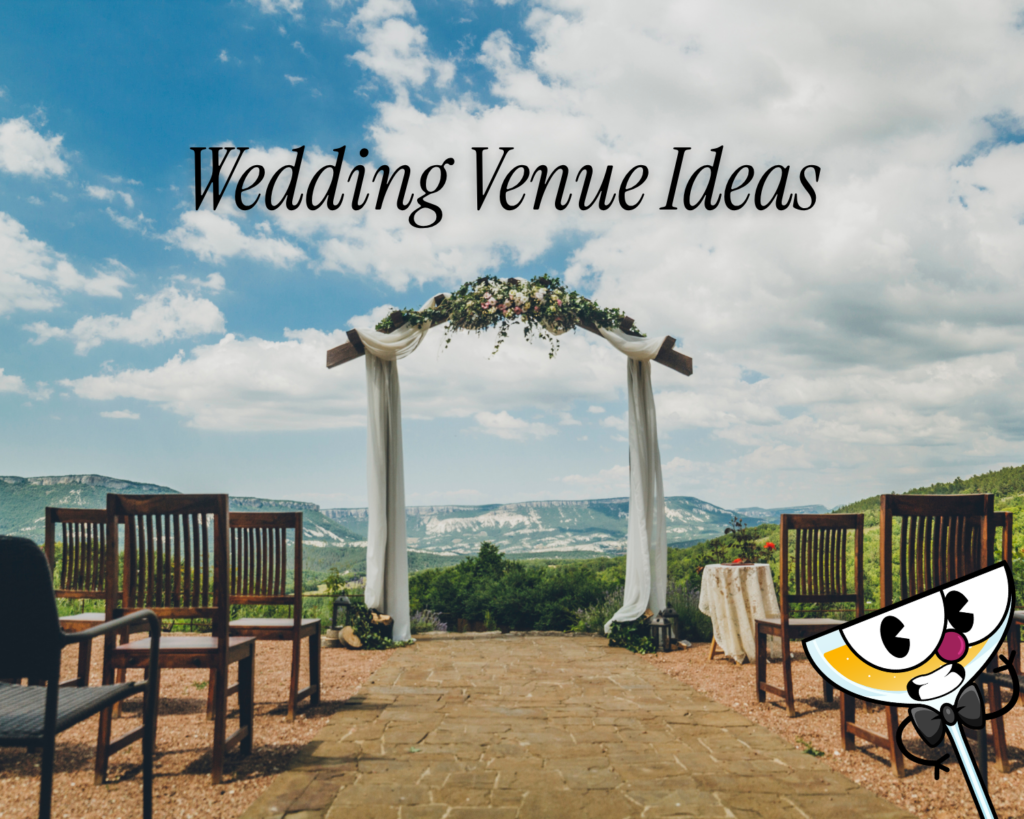
Finding the right place to get married is one of the first big decisions you’ll make as a couple. You’re essentially choosing the backdrop for one of the most important days of your life before you’ve figured out almost anything else. The guest list isn’t finalized. The budget’s still fuzzy. Yet, venues book up fast, which means you’re being asked to commit early.
The good news is there’s no shortage of wedding venue ideas out there, whether you’re imagining a sun-drenched garden or a barn strung with lights at the edge of someone’s property. The better news is that a beautiful venue doesn’t have to mean an expensive one. This guide walks through the most popular venue types, what each one actually costs, and where to look if you’re working with a tight budget.
How much does a wedding venue actually cost?
Before you fall in love with a venue, it’s worth knowing what you’re walking into financially.
The national average venue spend in 2026 sits somewhere between $6,500 and $11,000, depending on the source. The venue typically takes up a quarter of the overall wedding venues cost. Add catering on top of that, and the two together can eat up more than half of what you’re spending on the whole day.
But averages only tell part of the story. Wedding venue pricing varies enormously based on where you live. A wedding in New York City averages around $99,000 total, while a comparable celebration in Utah comes in closer to $18,000. That’s the same wedding but wildly different price tags, in which most of that gap comes from the venue.
Wedding venue prices also shift significantly depending on when you book. Saturday evenings in peak summer season (July through September) command the highest rates. Flip that to a Friday in November and you could see 30 to 40% savings at the same venue. It’s one of the most underused levers couples have.
A few hidden costs to watch out for before you sign anything:
- Service charges and gratuities, which can add 9% to 15% beyond the quoted price
- Overtime fees if your event runs past the agreed end time
- Rentals that aren’t included. Examples are tables, chairs, linens, and sound equipment
- Weather contingency costs for outdoor spaces
Venue types and what works for each style
There’s no single “best” venue type. The right one depends on your guest count, your aesthetic, your budget, and honestly, the kind of day you want to have. Here’s a breakdown of the most popular options.
| Venue type | Best for |
|---|---|
| Barn and farm | Warm, relaxed celebration with creative freedom. |
| Garden and outdoor estates | Spring/fall weddings. Romantic, seasonal feel. |
| Ballrooms and banquet halls | Large guest lists. Formal weddings. Logistics built-in. |
| Hotels | Out-of-town guests. Destination weddings. Multiple vendors bundled. |
| Vineyards and wineries | Romantic, elevated setting. Strong visual atmosphere. |
| Industrial lofts/warehouses | Creative couples with design vision and budget. |
| Museums, theaters, galleries | Memorable atmosphere. Built-in character and story. |
| Rooftops | Urban couples. Smaller guest lists. Dramatic views. |
Barn and farm venues
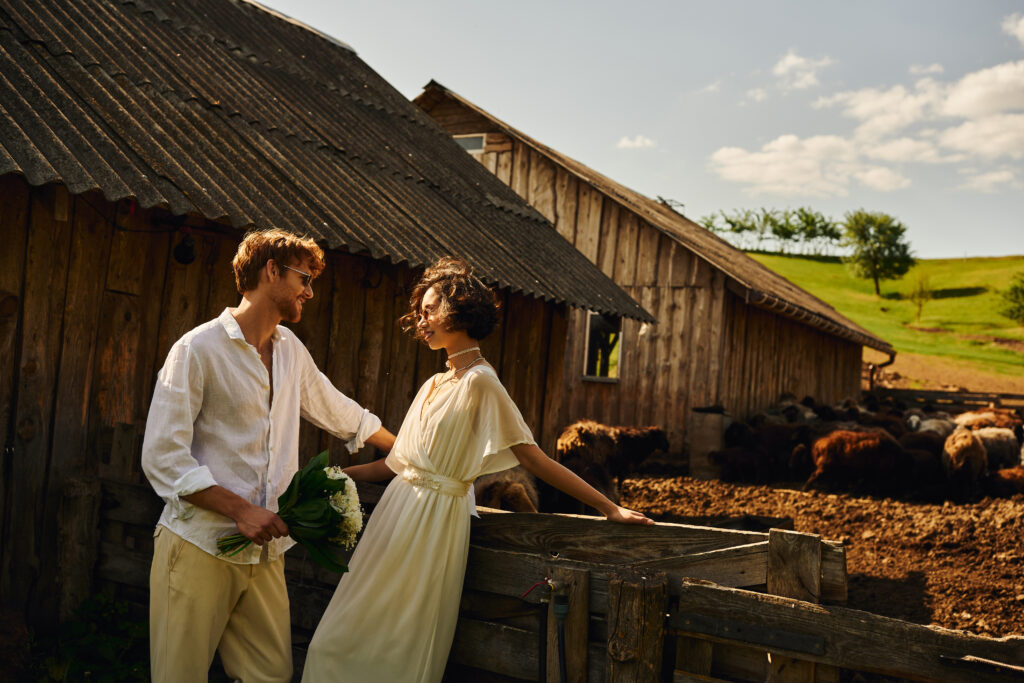
Barn venues are enduringly popular for good reason. Warm wood countryside backdrops give you a built-in aesthetic that almost any style of décor can work with, from rustic to modern farmhouse to bohemian. They’re usually private enough that you’re not sharing the space with strangers, and most offer flexibility to move between indoor and outdoor for the ceremony and reception.
The watch-outs: parking and accessibility can be limited and older barns may need more décor investment than you’d expect. Always confirm the rain plan before you book.
Best for: Couples who want a warm, relaxed celebration with a lot of creative freedom.
Garden and outdoor estates
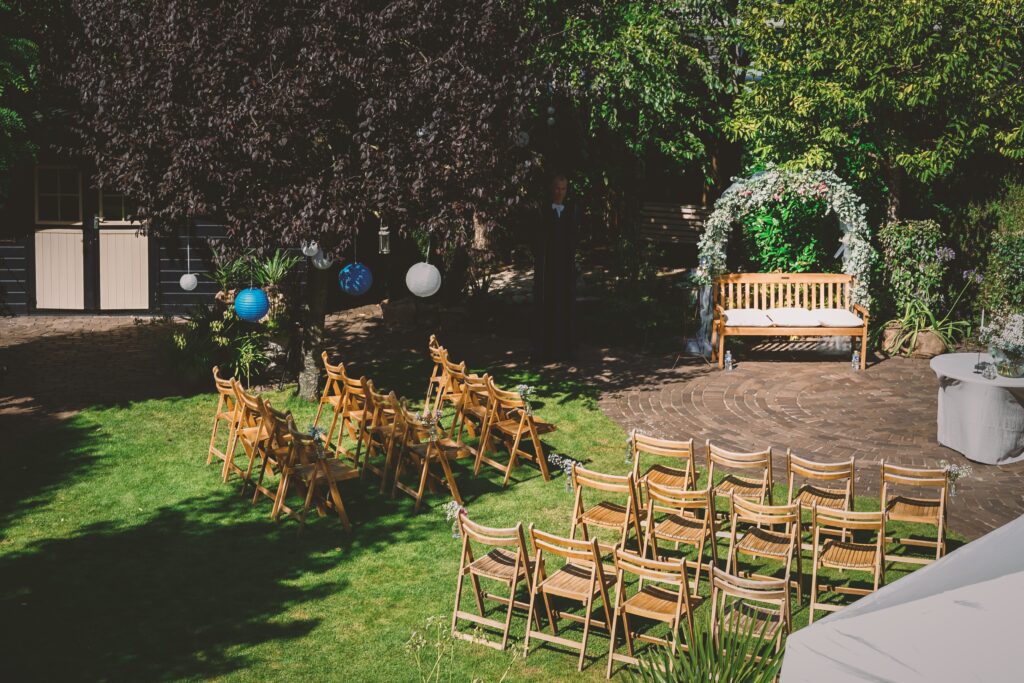
If the idea of saying your vows surrounded by greenery and open sky appeals to you, affordable garden wedding venues and outdoor estates are worth the search. The setting does most of the décor work for you, and the photography is almost always stunning.
The trade-off is logistics. Budget outdoor wedding venues especially require you to think through rentals (tenting, seating, sound equipment, sometimes generators and restrooms), permits, weather contingencies, and whether the ground is accessible for elderly guests or anyone with mobility needs.
Best for: Couples planning spring weddings who want a romantic, seasonal feel.
Ballrooms and banquet halls
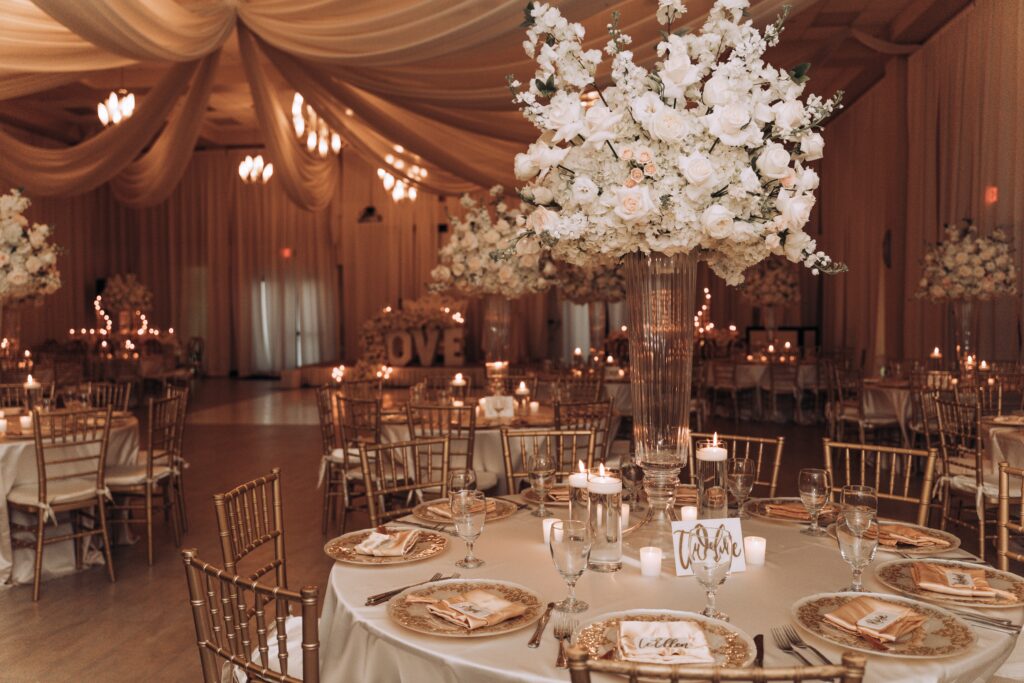
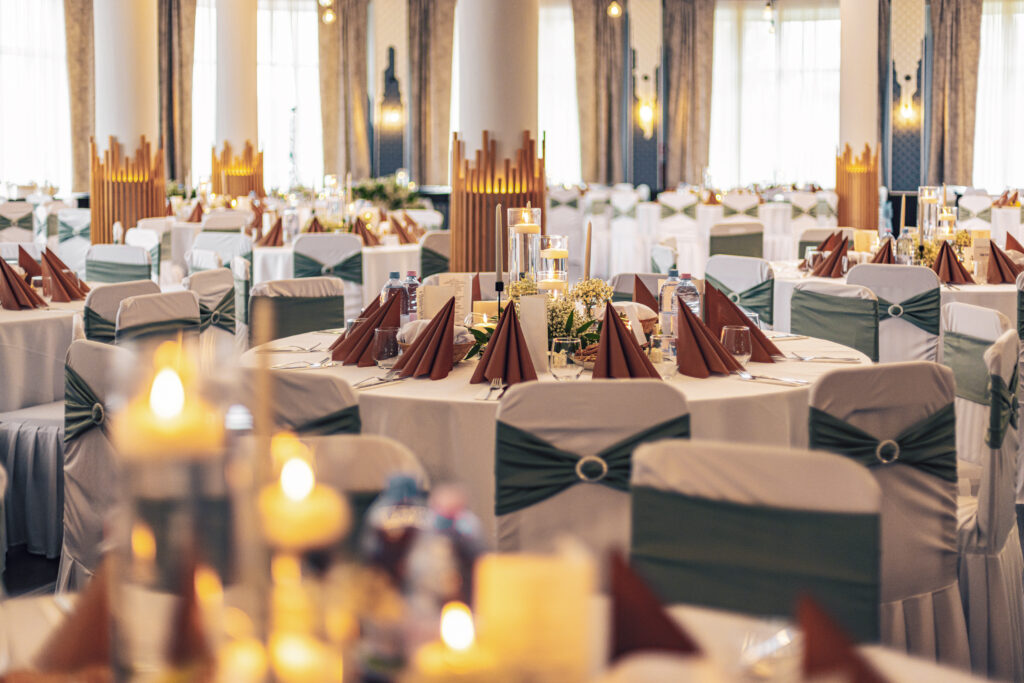
Ballrooms and banquet halls are classics for a reason. They’re built for events, which means catering, tables, chairs, lighting, and staffing are typically bundled in. Climate control is a given. There’s rarely a rain plan needed. For larger guest lists, the logistics just work.
The downside is that without strong styling, ballrooms can feel generic. If you choose this route, the décor investment matters more than it would at a venue with built-in character.
Best for: Larger guest lists, formal or black-tie weddings, couples who want convenience built into the price.
Hotels
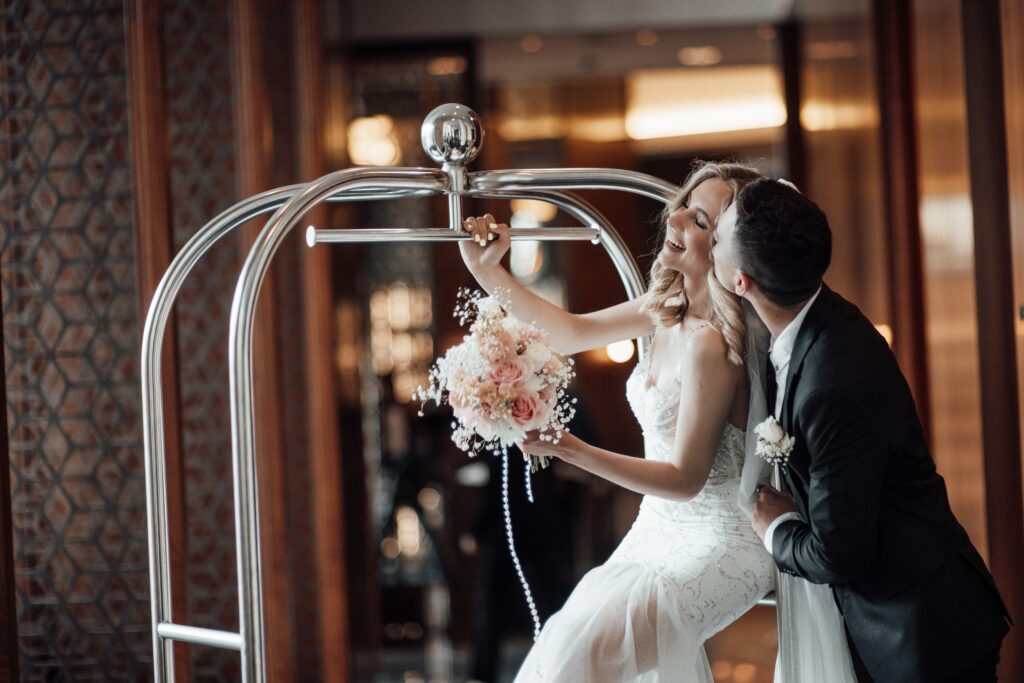
The biggest selling point of a hotel venue is logistics for out-of-town guests. Everyone’s sleeping in the same building. No one’s driving home. For families spread across the country, that matters a lot.
Hotels also offer the ability to negotiate packages across catering and the accommodation itself. Just make sure to clarify the minimum spend requirements and whether there’s a hard end time on the reception.
Best for: Destination weddings, large families with guests traveling from multiple cities, couples who want one vendor handling multiple moving parts.
Vineyards and wineries
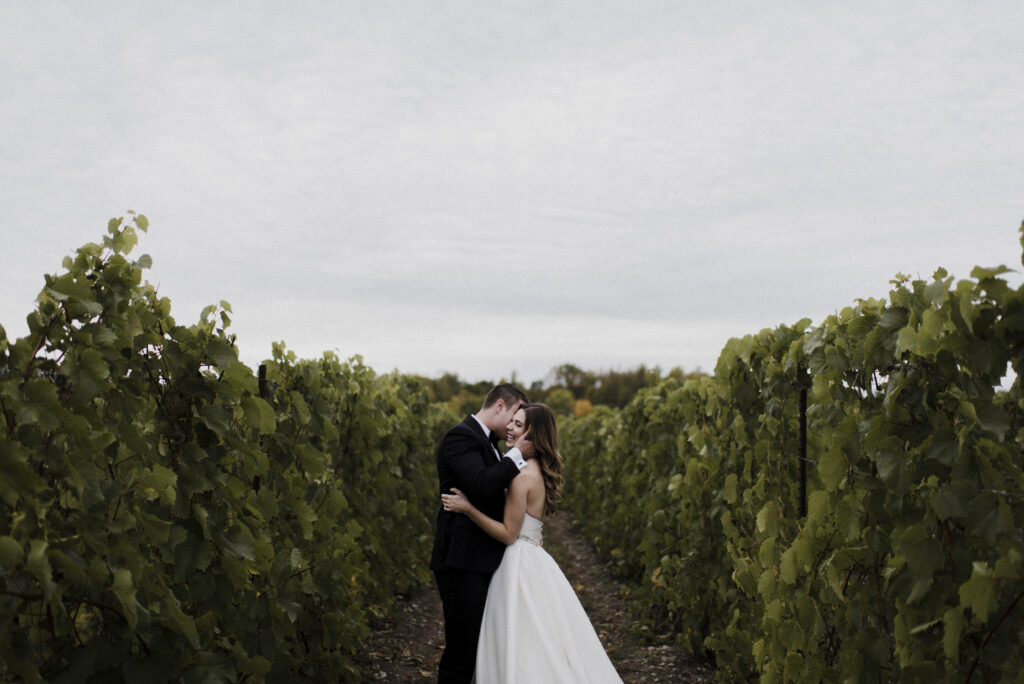
Vineyard weddings offer something that’s hard to manufacture elsewhere: a naturally beautiful setting with depth and history built in. Rolling vines and golden light make for exceptional photography, and the atmosphere tends to carry itself.
The main thing to plan around is seasonality. Many vineyards have restrictions around harvest time, and the venue may not be available year-round. Book early and get clarity on what’s off-limits before you commit.
Best for: Couples who want a romantic, elevated setting with a lot of visual atmosphere.
Industrial lofts and warehouses
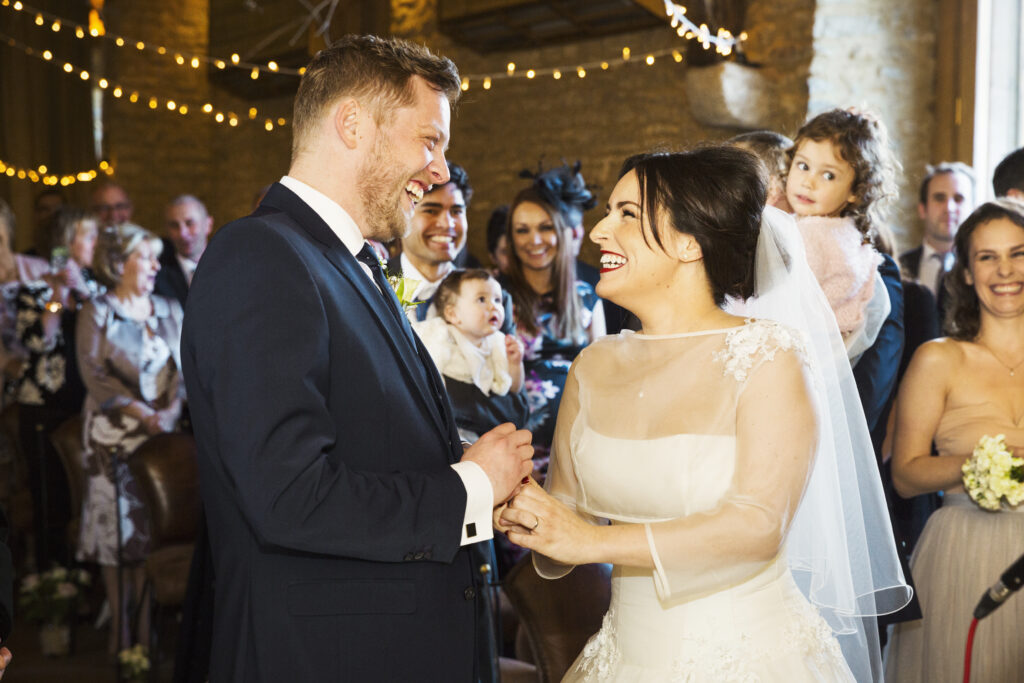
For couples who want to build their own look from scratch, an industrial space is one of the most flexible unique wedding venue ideas available. Venues with high ceilings and raw concrete are blank canvases that can become almost anything.
Just budget accordingly. You’ll be bringing in a lot of rentals: furniture, draping, lighting, and sound equipment. These spaces aren’t built for events the way ballrooms are, so the planning load is higher.
Best for: Creative couples with a strong design vision and the budget or DIY willingness to execute it.
Cultural spaces: museums, theaters, and art galleries
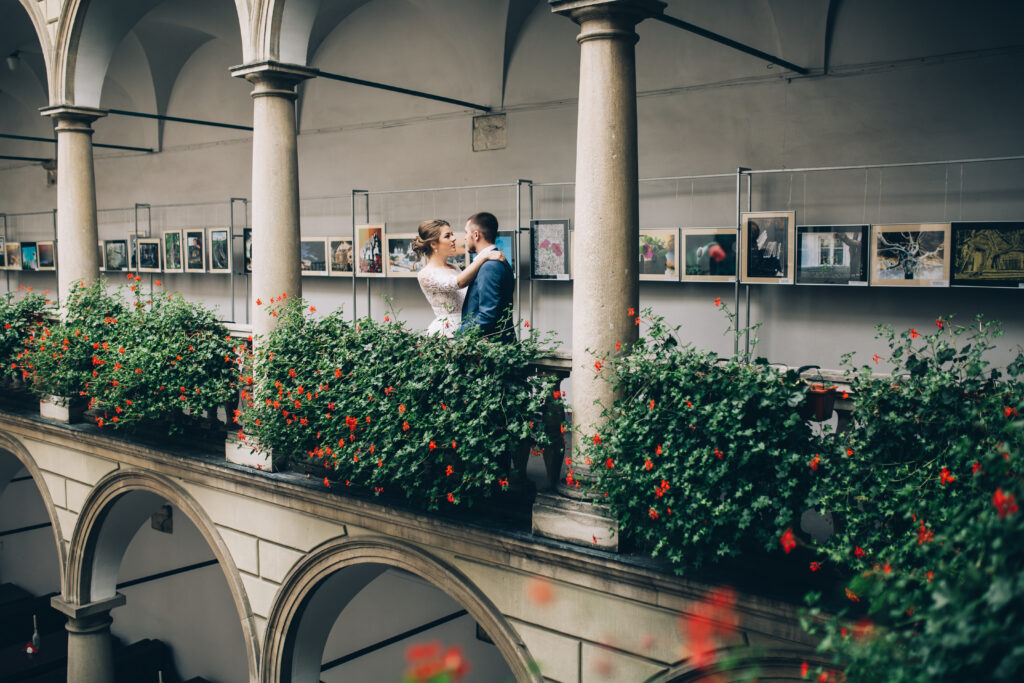
Fun wedding venues with built-in character like a local museum of an art gallery gives you a backdrop that guests won’t forget. The décor is already doing something. You’re not starting from zero.
The trade-offs are real though. These venues often have strict rules about vendors and catering. Historic buildings may also have accessibility limitations. Have a detailed conversation with the venue coordinator before you fall too hard for the space.
Best for: Couples who want a venue that tells a story and creates a memorable atmosphere without a lot of additional décor.
Rooftops
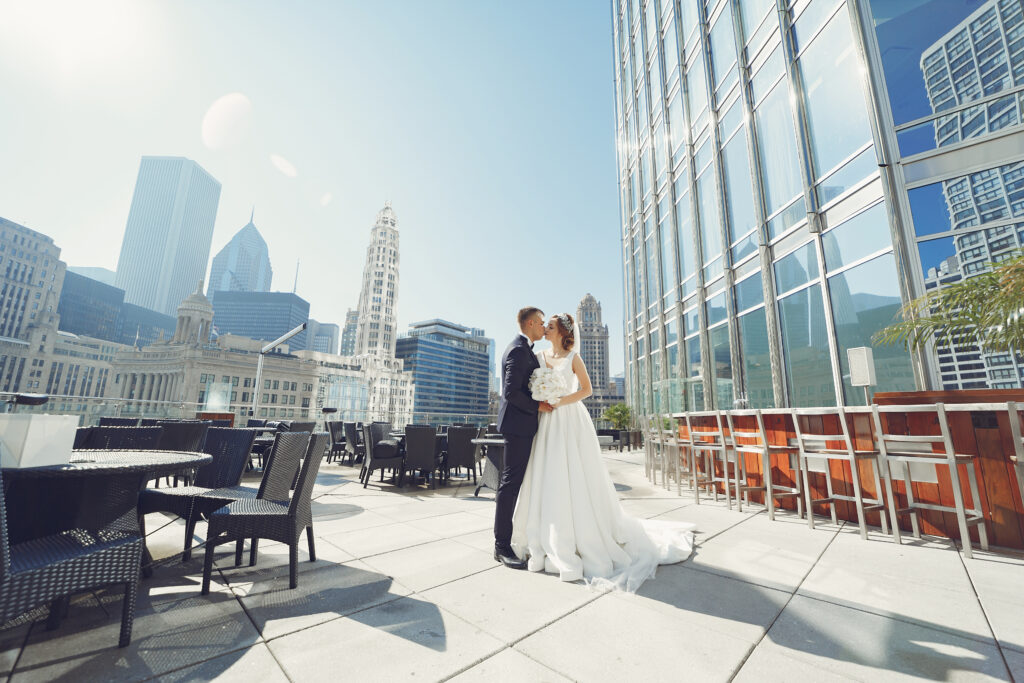
Rooftop venues deliver one thing exceptionally well: views. City skylines and open sky create a backdrop that no indoor venue can replicate. For smaller guest lists, they’re a genuinely striking option.
The logistics require more attention though. Noise ordinances and hard end times are common. Wind can be unpredictable. Elevator capacity may limit flow between floors. Get the details before you picture the sunset reception.
Best for: Urban couples, smaller guest lists, anyone who wants dramatic photography without leaving the city.
Budget-friendly venue ideas that don’t look like a compromise

Being on a budget doesn’t mean settling. Some of the most personal and memorable weddings happen in low-cost spaces because the right people in the right room will always outperform an expensive backdrop.
Here are the best wedding venues on a budget worth considering.
Backyards and private properties
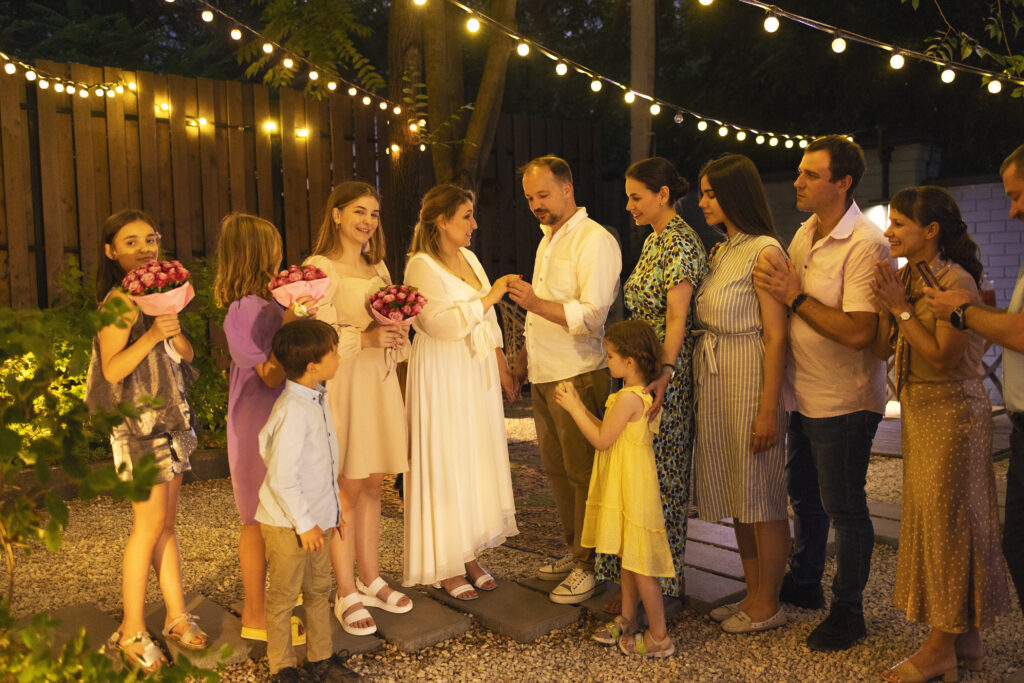
If you or someone close to you has the space, a backyard wedding is one of the most personal inexpensive wedding locations possible. There’s little to no rental fee, and you have full creative control.
The costs to factor in: tent rental, power access, portable restrooms if needed, and parking logistics. It requires more planning than a purpose-built venue, but the result can be extraordinarily special.
Parks and public gardens
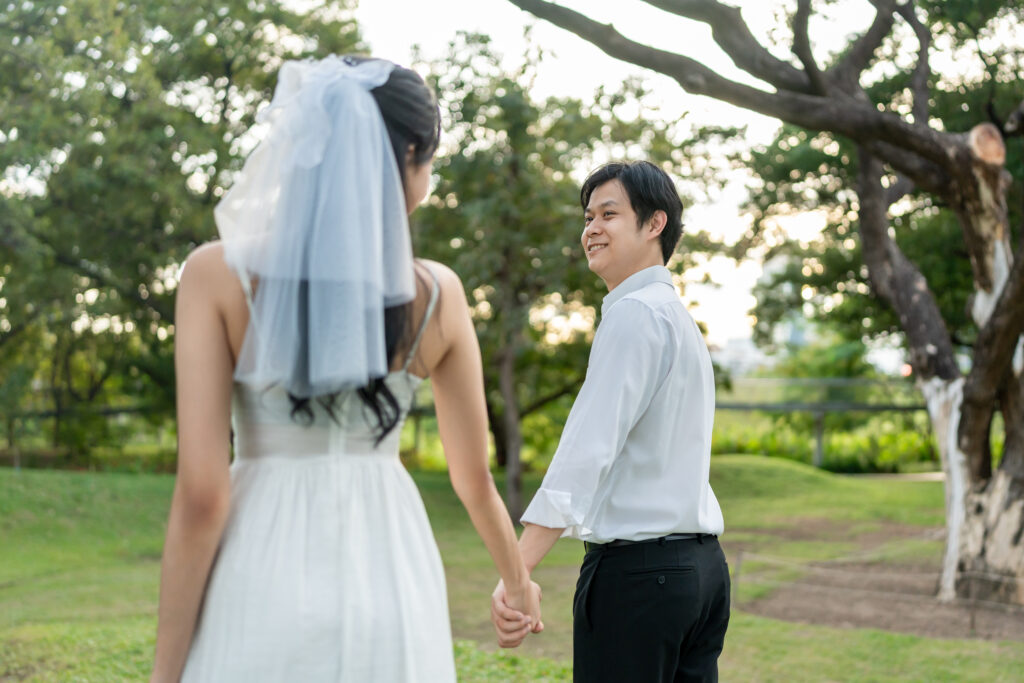
Public parks and botanical gardens offer genuinely beautiful settings at a fraction of typical wedding venue prices. Inexpensive garden wedding venues and public parks require permits, which vary by location. Make sure to also check noise ordinances and whether alcohol is permitted before you commit.
Community centers
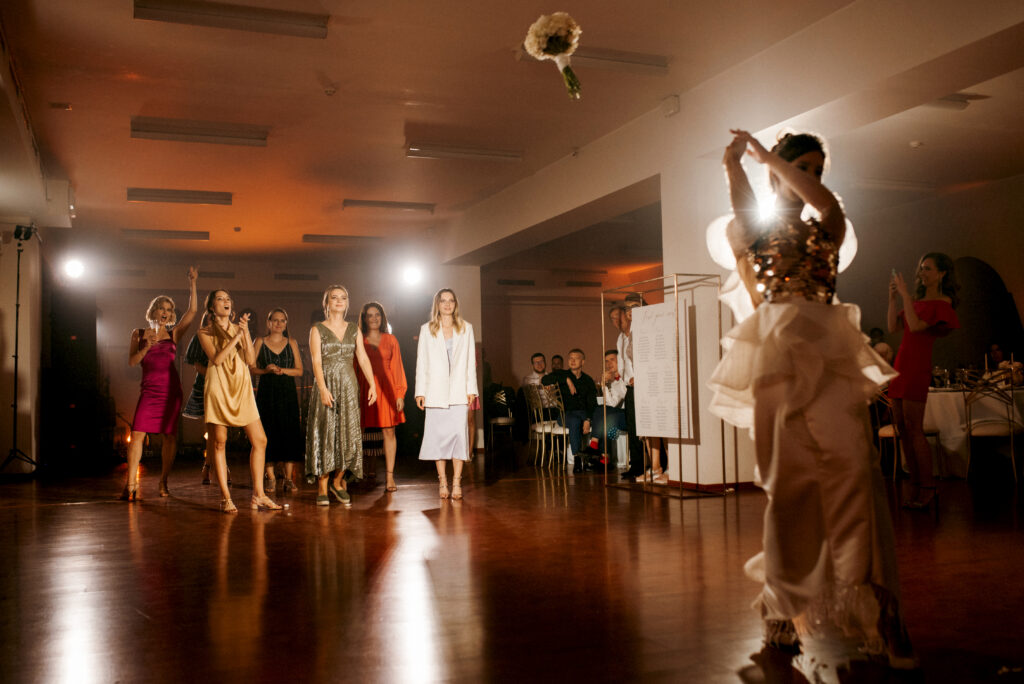
Community centers are one of the most practical cheap wedding venue ideas that often gets overlooked. A full-day rental typically runs $200 to $800, compared to $2,000 to $5,000 at a traditional venue. Most include tables, chairs, and basic sound equipment, which removes a chunk of the typical rental costs.
The trade-off is that the space itself won’t wow anyone on its own. Décor investment matters more here, but it’s still well within reach.
City hall or courthouse
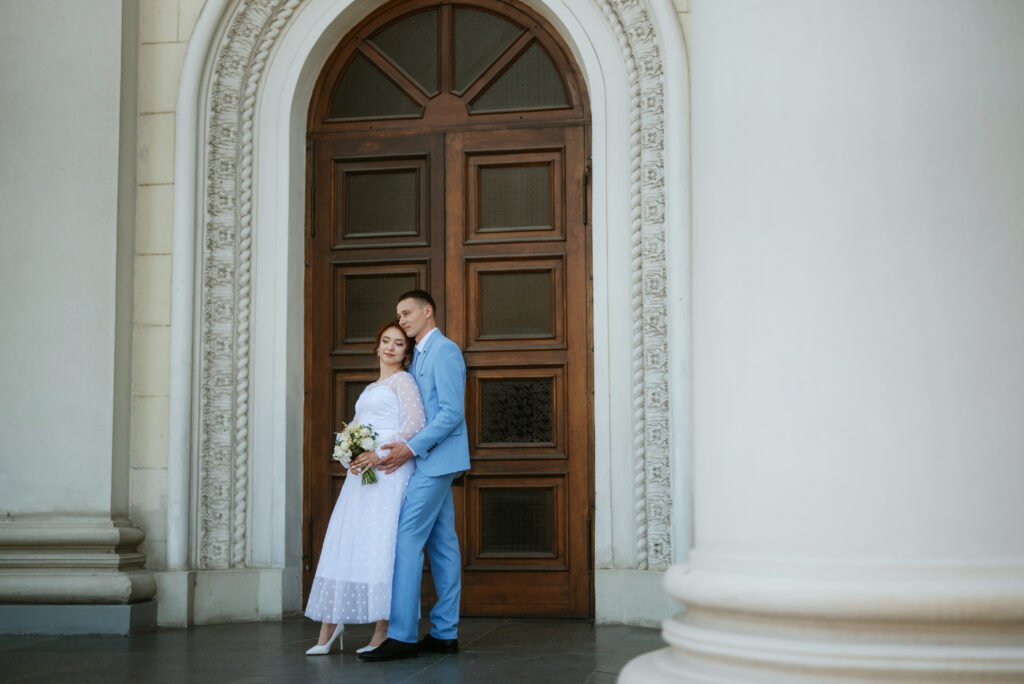
If you want to know where can you go to get married for almost nothing, city hall is your answer. Ceremony fees typically run under $100. For couples who plan to celebrate separately with a bigger gathering later, this is a completely legitimate and beautiful option.
Restaurants
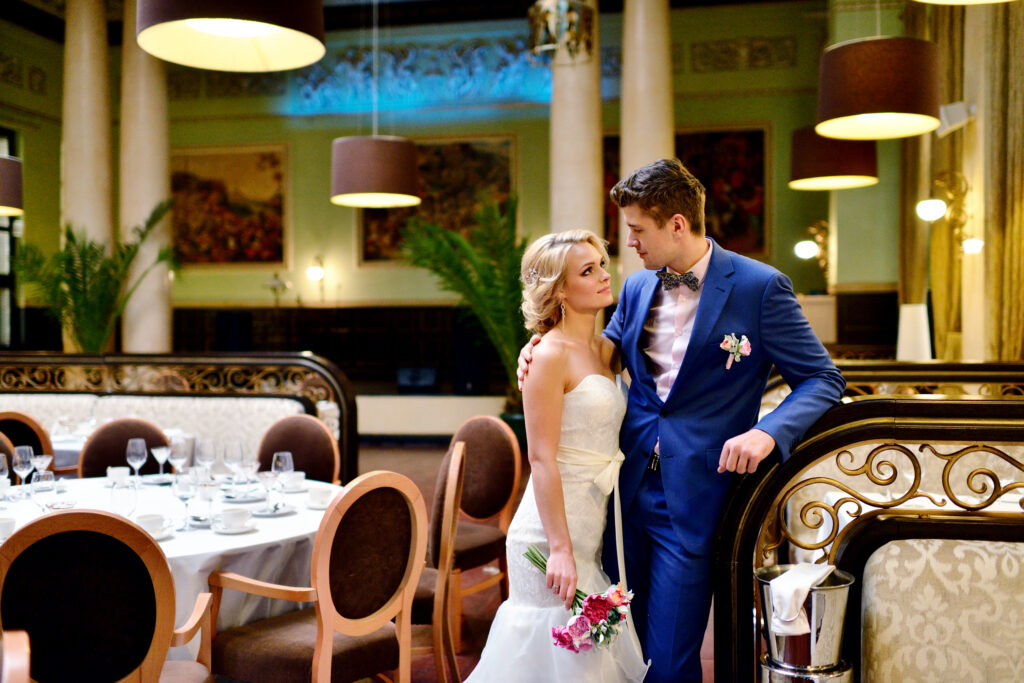
Restaurant buyouts are one of the more underused wedding reception venue ideas for couples on a budget. Even at an upscale spot, the hire fee tends to be significantly lower than renting a venue and paying for catering separately. The space is already decorated. The kitchen is already equipped. You’re usually not starting from scratch with rentals.
Theaters and local playhouses
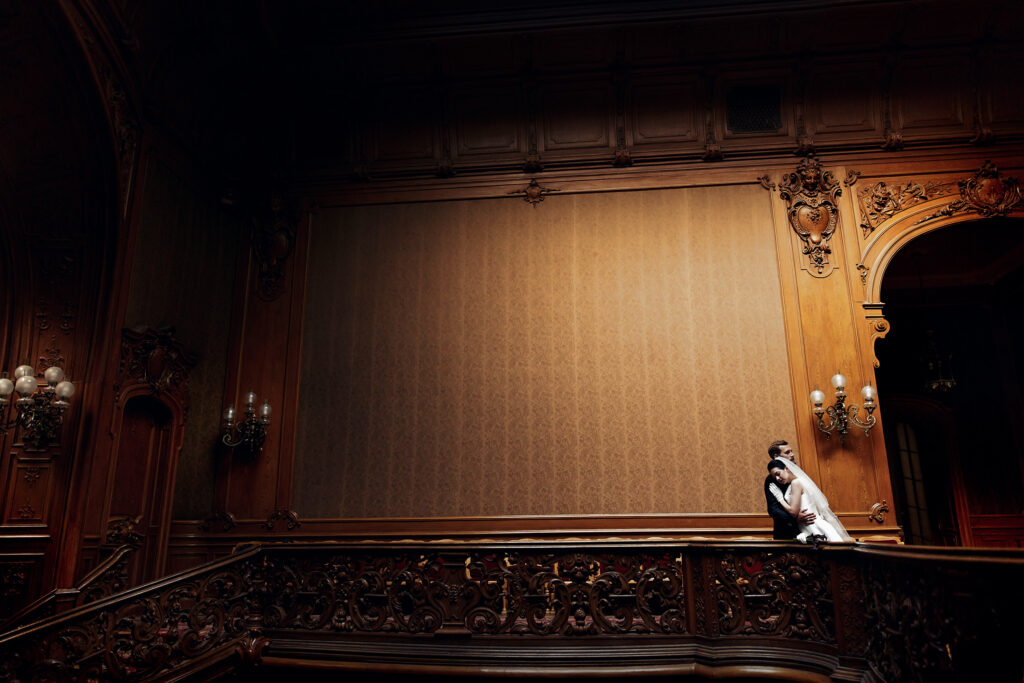
Smaller local theaters are worth looking at if you want a grand setting without the grand price tag. Between productions, many are available for private events and the built-in architecture like stage and tiered seating does aesthetic work that would cost a fortune to replicate.
How to keep costs down regardless of venue type
A few things that apply across the board when searching for budget friendly wedding venues:
Book off-peak. Winter months, Fridays, and Sundays can save 30 to 40% at the same venue that would cost full price on a summer Saturday.
Ask what’s included. A lower sticker price sometimes hides a long list of required rentals. Always calculate the full cost before comparing options.
Consider a smaller guest list. Cheap wedding venues for small weddings exist across every style. Be it a barn, garden, rooftop, cultural space wedding. Reducing your headcount often opens up venues that would otherwise be out of reach.
Get at least three quotes. Venue pricing isn’t always posted publicly, and there’s often more room to negotiate than couples expect. This often happens during off-peak dates or shorter rental windows.
What to ask before you book
Once you’ve found a space that feels right, slow down before signing. The right questions now save a lot of stress later.
What’s the capacity, and is there a minimum guest count? You don’t want to be paying for space you can’t fill, or cramming guests into a room that can’t hold them.
What’s included in the rental fee? Tables, chairs, linens, a sound system, and on-site coordination are sometimes included and sometimes not. Clarify everything.
Do you have a preferred vendor list? Some venues require you to use their approved caterers or rental companies. Others are fully open. This affects your budget significantly.
What’s the weather backup plan? For any outdoor or semi-outdoor space, this is non-negotiable. If they don’t have a clear answer, keep looking.
Are there noise restrictions or a hard end time? This affects your music and the overall flow of the night.
How close is accommodation for out-of-town guests? If the venue doesn’t have lodging on-site, know what’s nearby and whether there are any group rate arrangements.
What are the accessibility arrangements? Especially important for older guests or anyone with mobility needs. Note that historic venues are sometimes exempt from standard accessibility requirements.
What are the deposit and cancellation terms? Understand what you’re committing to before you put money down.
One more thing before the day arrives
Once your venue is booked, most couples shift focus to other logistics like catering or photography. But there’s something that often gets missed: the voices.
Your ceremony video will capture the vows, the walk down the aisle, the first dance. What it won’t capture is your best friend’s story about the night you met. Your grandmother’s message recorded from her living room in Florida. Your college roommate who couldn’t make it but wanted to be part of the day anyway.
That’s what The Toast is for. We turn your guests’ messages—recorded before, during, or after the wedding, from wherever they are—into a professionally edited keepsake you’ll watch long after the flowers have dried and the venue has booked its next wedding.
The venue is where it all happens. The Toast makes sure you can hear it again.