There’s a reason summer weddings are the most popular of the year. Long days, warm evenings, outdoor settings, vibrant florals, and golden hour light that photographers spend the whole year chasing. If you’ve ever pictured saying your vows with the sun still high and guests spilling out onto a garden or terrace, a summer wedding delivers that in a way no other season can.
But summer is also peak season: the most competitive, most expensive, and most logistically demanding time of year to get married. Venues fill up fast. Vendors book out months earlier than couples expect. And God, the heat, if you don’t plan around it, can quietly undermine the entire day.
This guide covers the practical reality of planning a summer wedding: when to book, how to keep your guests comfortable, how to make the most of the season aesthetically, and what to think about for attire, food, and everything in between.
Book earlier than you think
If you take one thing from this article, let it be this: the planning timeline for a summer wedding is shorter than most couples expect when they get engaged.
June, July, and August are peak months. June in particular is one of the most in-demand wedding months in the US, and Saturday dates at popular venues can fill 12 to 18 months in advance. For destination weddings or high-demand venues in major cities, 18 to 24 months isn’t unusual. The couples who end up compromising on their first-choice venue or photographer are almost always the ones who started the search six months too late.
A rough booking timeline for a summer wedding:
Venue: Start touring 12 to 18 months out. Lock in your date as soon as you find a space you love. Don’t wait until you’ve compared every option in the city.
Photographer: Book 9 to 12 months in advance at minimum. For peak-season Saturday dates, 12 to 18 months is realistic for photographers with strong portfolios. Pricing also tends to increase year over year, so booking early locks in current rates.
Other vendors (caterer, florist, DJ, or band): The same principle applies. The earlier you confirm, the more options you have. Vendors with strong reputations fill their peak-season calendars fast.
On budget: Summer commands premium pricing across the board. If you want a summer wedding on a tighter budget, a few meaningful levers exist. Choose Friday or Sunday over Saturday, since the pricing difference can be significant. Consider July or August over June, as June is the most competitive and expensive summer month. You can also opt for a brunch or afternoon reception instead of an evening event. These aren’t compromises. They’re strategic choices that can free up meaningful budget elsewhere.
Plan for the heat: your guests will thank you
Heat management is the most underestimated part of planning an outdoor summer wedding. Couples are often so focused on what the day will look like that they forget how it will feel for guests who’ve been sitting in the sun for an hour or a wedding party standing outdoors during a 3 PM ceremony in July.
Timing is the single biggest factor. Avoid peak sun hours between noon and 3 PM for any outdoor activity. Even shifting the ceremony start time by 30 to 60 minutes later can dramatically change the experience for everyone. A late afternoon ceremony starting at 4 or 5 PM means cooler temperatures and guests who arrive comfortable instead of already overheated.
Shade is non-negotiable for outdoor venues. Tents, canopies, sailcloth structures, and natural tree cover all do the work here. If your venue doesn’t have sufficient shade built in, budget for a tent rental. A marquee can be equipped with fans or air conditioning and still feel beautiful. It doesn’t have to look utilitarian.
Airflow matters. Fans placed at the perimeter of the ceremony space and near seating and the dance floor make a real difference. The dance floor especially: heat plus dancing plus summer cocktails is a recipe for guests tapping out early.
Hydration stations throughout the venue (not just at the bar) are one of the most practical things you can set up. Pitchers of citrus water, lemonade, and iced tea at accessible points keep guests comfortable without requiring them to wait in line at the bar between dances.
Guest comfort touches that double as summer wedding favors: handheld fans on ceremony chairs, sunscreen stations near the outdoor areas and cooling towels for a hot afternoon cocktail hour. These aren’t extras. For an outdoor summer wedding, they’re part of the guest experience. They can be genuinely affordable: seed packets and locally made honey or jam are all inexpensive wedding ideas for summer that guests appreciate.
For ice-cold treats, gelato or ice cream stations are one of the most popular and practical additions to a summer wedding reception right now. They serve double duty by keeping guests cool and giving the reception a fun energy that works beautifully for the season.
A note on vulnerable guests. Older family members, pregnant guests, and young children feel the heat more acutely than most. Make sure there’s a comfortable and shaded seating available and easy access to air-conditioned spaces nearby for anyone who needs a break.
Make the most of golden hour
Summer’s longest days are one of its most underused planning assets. In peak summer, golden hour starts between 6:45 and 7:45 PM depending on your location. That gives you a longer window for portraits than almost any other season offers.
Midday summer sun is harsh. Guests squint and outdoor portraits before 5 PM in July rarely look the way couples imagine. The fix isn’t better editing. It’s better timing.
The most effective structure for a summer wedding day flows like this: late afternoon ceremony, cocktail hour in early evening, golden hour portraits, then the reception into the night. A 4:30 or 5 PM ceremony puts everyone in more comfortable temperatures and gives your photographer 45 to 60 minutes of genuinely stunning light for portraits before dinner.
Talk to your photographer about this early in the planning process. Golden hour timing is a logistics decision that shapes the entire day’s timeline. A good photographer will plan around it from the start, knowing when the sun sets at your specific venue and building it into the wedding day timeline so it happens without rushing.
This structure also has a practical benefit: it keeps guests out of direct afternoon sun during the most important part of the day.
Summer wedding colors, flowers, and décor
Summer wedding colors
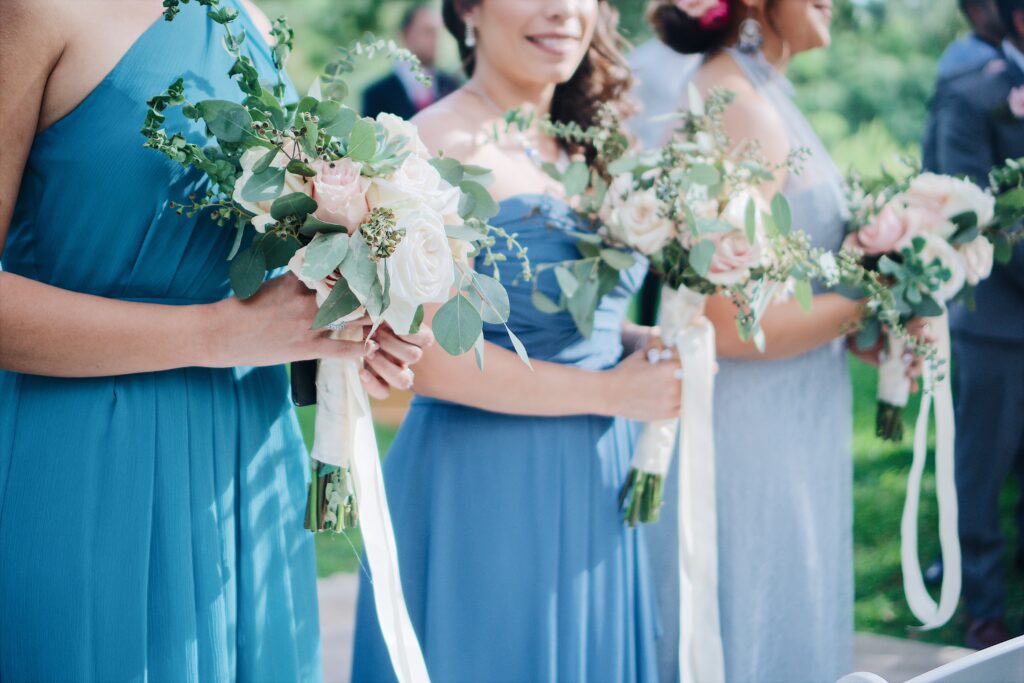
Summer offers more flexibility with color than almost any other season, which is part of why the aesthetic range of summer weddings is so wide. A few directions that work well:
| Palette | Colors | Best for |
|---|---|---|
| Soft & romantic | Blush, lavender, ivory, sage | Timeless, elegant, works with most florals. |
| Bold & vibrant | Citrus, jewel tones, coral, cobalt | Trending 2026. Layer through glassware/linens; don’t overdo every surface. |
| Mediterranean & earthy | Terracotta, olive green, azure blue | Vineyard, farm, estate venues. Pairs with greenery and natural wood. |
| Monochromatic | All white, all blush, all sage (varying shades) | Clean, sophisticated, low-complexity aesthetic. |
Soft and romantic: Blush, lavender, ivory, and sage are timeless combinations that work with most summer florals and feel elegant without being heavy.
Bold and vibrant: Citrus hues, jewel tones, coral, and cobalt. Color is having a strong moment in 2026, and summer is the natural season for it. Layering bold colors through glassware, linens, and florals rather than every surface keeps it feeling intentional rather than overwhelming.
Mediterranean and earthy: Terracotta and olive green are trending strongly for outdoor and garden settings. This palette works beautifully at vineyard and farm venues and pairs well with lush greenery and natural wood.
Monochromatic: Single-color schemes in varying shades (all white, all blush, all sage) are a clean option that works particularly well for couples who want a cohesive aesthetic without a lot of complexity.
Flowers
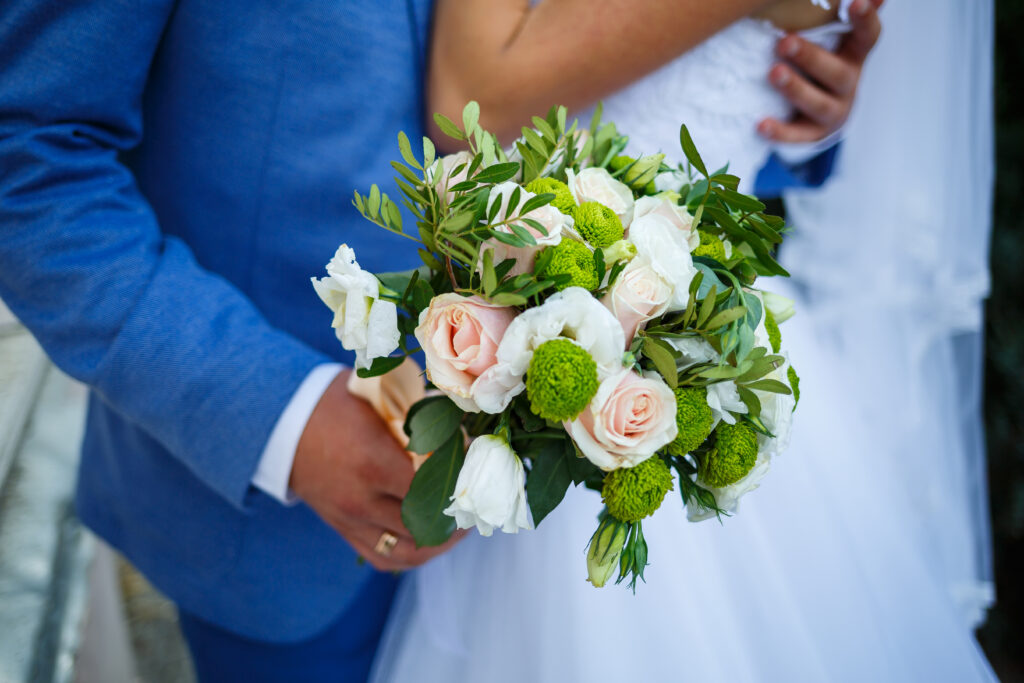
Summer is one of the best seasons for florals, but what’s available shifts meaningfully across the three months.
| Month | What’s available | Key tip |
|---|---|---|
| June | Domestic peonies (until mid-June). Garden roses, hydrangeas, lisianthus. | Book peonies early; they end mid-month. |
| July | Dahlias (dinner-plate, ball, pompon varieties). Sunflowers at full production. | Fullest selection for most florists. |
| August | Warm-tone dahlias, sunflowers, burgundy zinnias, early celosia. | Late summer richness without tipping into fall. |
June is your last window for domestic peonies. After mid-June, garden roses become the natural substitute, and June garden roses are so full and lush that many couples can’t tell the difference in photos. Hydrangeas and lisianthus are also strong June options.
July brings dahlias into their first availability. By late July, you have access to dinner-plate and pompon varieties in dozens of colors. Sunflowers hit full production. It’s the fullest summer selection for most florists.
August is where summer and fall begin to overlap. Dahlias in warm tones, sunflowers, burgundy zinnias, and early celosia stems create a palette that feels like the richest version of late summer without tipping into fall.
Budget tip: Build centerpieces and larger installations around sunflowers and zinnias, which are among the most affordable summer stems. Reserve premium dahlias and garden roses for personal flowers like the bridal bouquet and bridesmaid bouquets, where the quality difference is visible in photos.
Heat note: Choose heat-resistant varieties where possible. Keep bouquets in water and shade until the ceremony. Delicate flowers left in direct sun before the ceremony can wilt before the first look, so it’s worth planning this in detail with your florist.
Décor
| Décor idea | Why it works |
|---|---|
| Draped fabric backdrops | Lightweight fabric moves beautifully. Photographs well without overpowering natural setting. |
| Fruit & botanical centerpieces | Citrus, grapes, herbs woven with florals. Sustainable, seasonal, more affordable than all-floral. |
| Potted plants as centerpieces | Guests take home. Lasts beyond the wedding day. Growing trend. |
| Color through glassware & linens | Colored stemware, bold napkins, textured linens. Does aesthetic work at fraction of elaborate floral cost. |
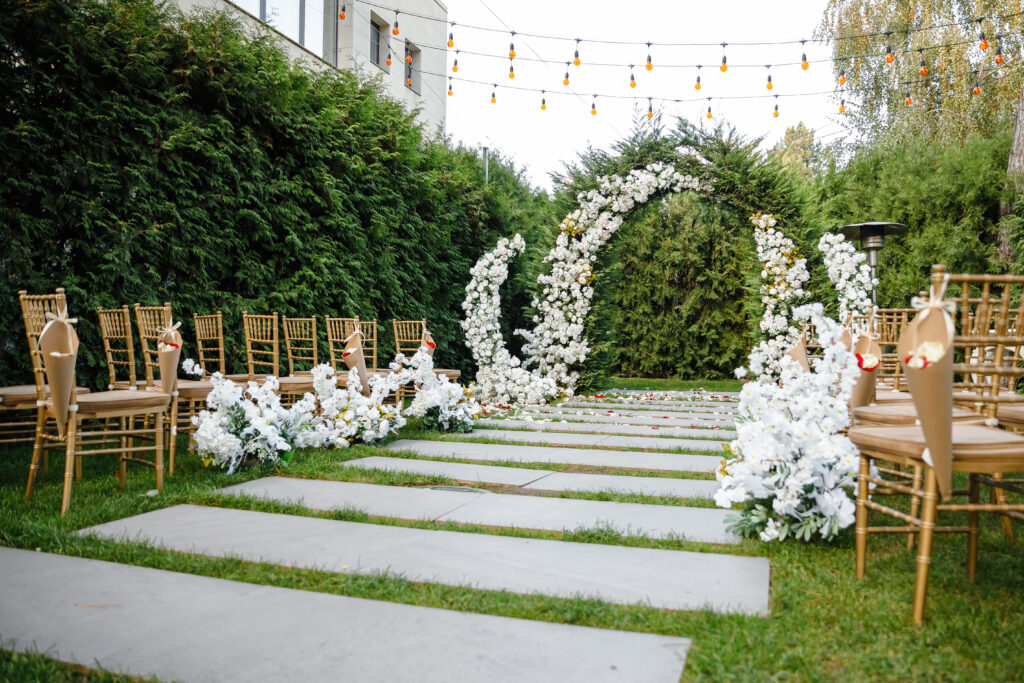
A few summer wedding ideas that are working well in 2026: draped fabric backdrops made from lightweight fabric that moves in the breeze and photographs beautifully without overpowering the natural setting. Fruit and botanical centerpieces with citrus and herbs woven in with florals are sustainable and more affordable than all-floral arrangements. Potted plants as a substitute for cut flower centerpieces are also gaining traction, since guests can take them home and they last well beyond the wedding day.
Color through glassware and linens rather than heavy florals is also having a moment. Colored stemware and textured linens can do a lot of aesthetic work at a fraction of the cost of elaborate floral centerpieces.
Attire: dressing for the season
Summer wedding gowns and bridal attire
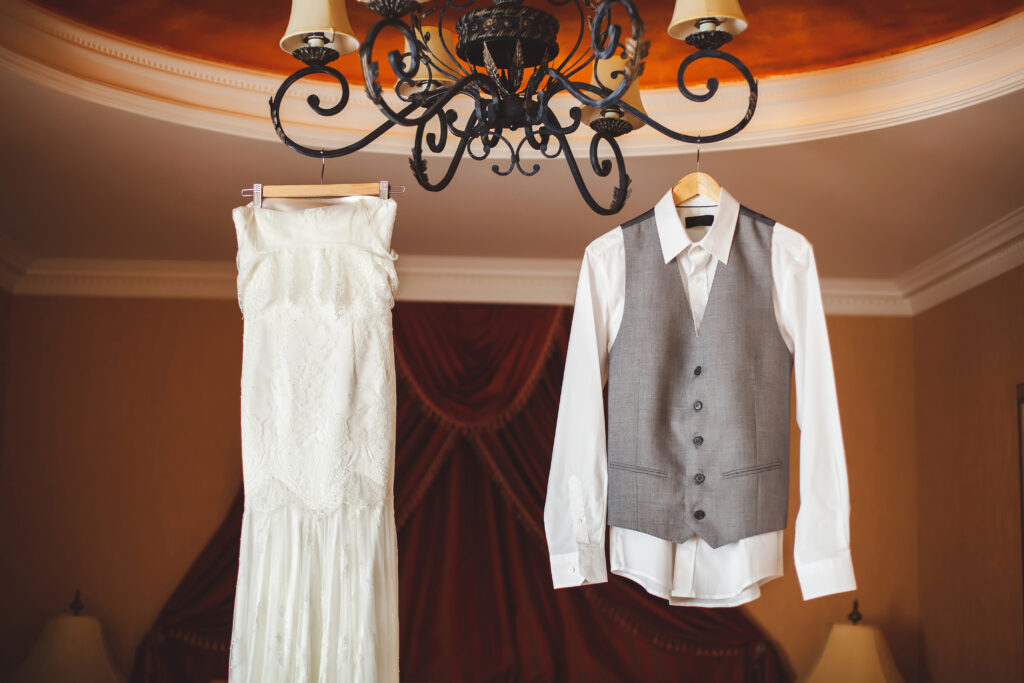
Summer bridal gowns are first and foremost a comfort decision. What looks beautiful in a bridal boutique in February may feel very different on an August afternoon at an outdoor venue.
Fabrics that work well in summer heat include chiffon, organza, crepe, and lightweight lace. These are breathable and photograph beautifully in natural light. Heavy ball gowns with multiple layers of structured tulle can feel stifling without air conditioning. That’s not a dealbreaker, but it’s worth factoring in if your ceremony is outdoors or partially outdoor.
Silhouette-wise, summer wedding gowns that are fitted or A-line in a lightweight fabric tend to be the most practical for warm weather without sacrificing any of the drama. Many summer brides also plan a reception look: a shorter or lighter second dress that lets them move freely on the dance floor later in the evening.
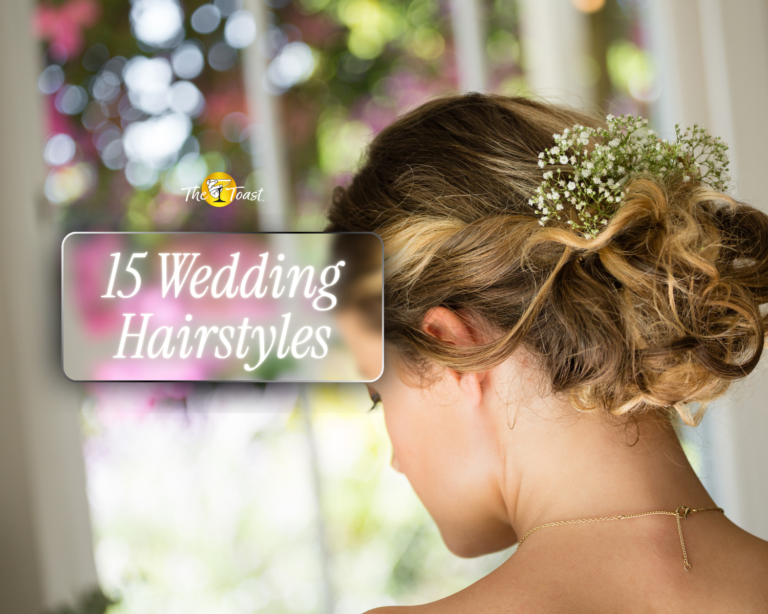
Summer wedding hairstyles: Updos and half-up styles are genuinely practical for outdoor summer weddings. They keep hair off the neck in the heat and hold better in humidity. Loose waves are beautiful for photos but need more product and pinning to stay intact in humid summer conditions. It’s worth a specific conversation with your hair stylist at the trial.
For your summer wedding guests
If your ceremony or reception has an outdoor component, communicate it to guests in advance. A dress code line on the invitation, such as “garden formal” or “beach formal,” sets expectations out without overexplaining. Letting guests know the setting (outdoor lawn ceremony, tented reception) also helps them make practical attire decisions. This is important especially for your summer wedding guest who might otherwise show up in a heavy suit or stilettos on a gravel pathway.
Food, drinks, and summer wedding favors
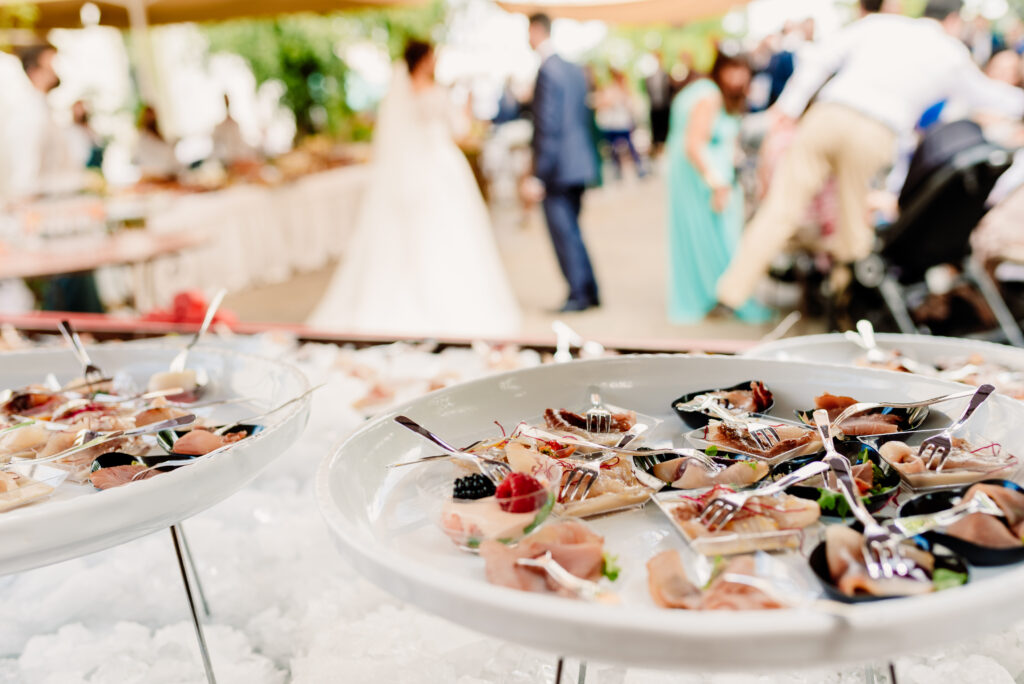
The best summer wedding menus feel like the season: light, fresh, and vibrant, with food that doesn’t weigh guests down before they hit the dance floor.
For the menu: Seasonal ingredients do the most work here. Grilled proteins, citrus-dressed salads, herb-infused dishes, and fresh vegetable-forward options align with both the season and where catering is heading in 2026. Couples are increasingly building menus around their own story and summer’s freshness makes that approach easy to execute well.
For drinks: Refreshing signature cocktails are a summer staple. The current trend of infused ice cubes with herbs or citrus zest elevates a standard cocktail into something genuinely memorable. Fresh fruit garnishes and frozen drink stations work well for outdoor cocktail hours where guests are warm.
Dessert: Ice cream and gelato stations are one of the most popular summer wedding additions right now. They’re practical (they cool guests down), interactive (guests love them), and more affordable than elaborate dessert towers. A well-stocked ice cream station alongside or instead of a traditional cake is a legitimate inexpensive wedding idea for summer that guests consistently rave about.
Summer wedding favors: Lean into the season and keep it simple. Handheld fans, locally sourced honey or jam, herb sachets, or small potted succulents are all affordable and practical. The best favors for a summer wedding are the ones guests actually use on the day, which is why a quality hand fan left on ceremony chairs often gets more appreciation than something elaborate in a box.
One more thing before the day arrives
Summer weddings come with something other seasons don’t always have: out-of-town guests. Family scattered across the country and friends who can only make a long weekend work in July mean that summer wedding guest lists tend to be the most geographically distributed of any season.
That also means more people traveling in from different places, more guests who might not be able to make the trip at all, and more voices that can easily get lost in the logistics of planning a peak-season wedding.
The ceremony video will capture the vows and the first dance. What it won’t capture is your aunt’s message from her living room in Phoenix, your college friend’s story about the night you met, or the toast from your cousin who couldn’t make the flight.
That’s what The Toast is built for. We turn your guests’ video messages, recorded from wherever they are before or during the wedding, into a professionally edited keepsake you’ll watch long after the summer tan has faded. The “record from anywhere” model was made for exactly the kind of wedding summer tends to produce.
Book a free discovery call, and we’ll show you what a finished keepsake looks like.