You’ve had the same six Pinterest boards open on your phone for two weeks now, half of them soft, undone buns and half of them loose waves, and you still couldn’t tell a stylist what you actually want. That’s normal. Wedding hairstyles are one of those decisions that feels small until you’re standing in a salon chair three months out, and the honest answer is that the “right” style depends less on trends and more on your hair’s length, texture, and how many hours it needs to survive.
This isn’t a list of the prettiest photos on the internet. Below are 15 wedding hairstyles worth actually considering, organized so you can find the ones suited to your length first, plus what a trial run should cost and when to book it, and how your dress neckline and veil should factor into the decision before you fall in love with a look that fights your face shape or your five hour reception.
Quick-reference for hairstyles
Fine, straight hair holds a sleek low bun beautifully but drops curls within an hour. Thick, wavy hair does the opposite: it can carry volume and texture all day but resists a glass-smooth finish without serious product. Use this as a starting filter before you read through all 15.
| Hair length | Styles below worth trying | Why they work |
| Long (past the shoulders) | ☑ The low, undone bun ☑ Soft waves worn down ☑ Half up, half down with a braid ☑ The sleek low ponytail ☑ The classic chignon with a veil anchor point | Enough length for shape without extensions, and it holds curl or texture for hours |
| Medium (lob to just past the shoulders) | ☑ The braided crown ☑ The textured chignon ☑ Soft side-parted waves at medium length ☑ Double braids into a low bun ☑ The textured pixie with a defined part | Long enough for an updo with a little help from bobby pins, short enough to skip extensions |
| Short (pixie to bob) | ☑ Finger waves ☑ The twisted half-up style ☑ The embellished clip on a bob ☑ The slicked back bun | Works with the cut instead of against it, and skips the multi-hour styling window longer hair needs |
| Any length | ☑ Curtain bangs with a half updo | Curtain bangs and a half updo adapt to almost any base length |
Bridal updos tend to photograph the most classically, but they’re not automatically the safer choice. An updo that isn’t pinned by someone who has practiced on your exact hair type can loosen by the first dance. A trial run, covered further down, is what actually protects you from that.
1. The low, undone bun
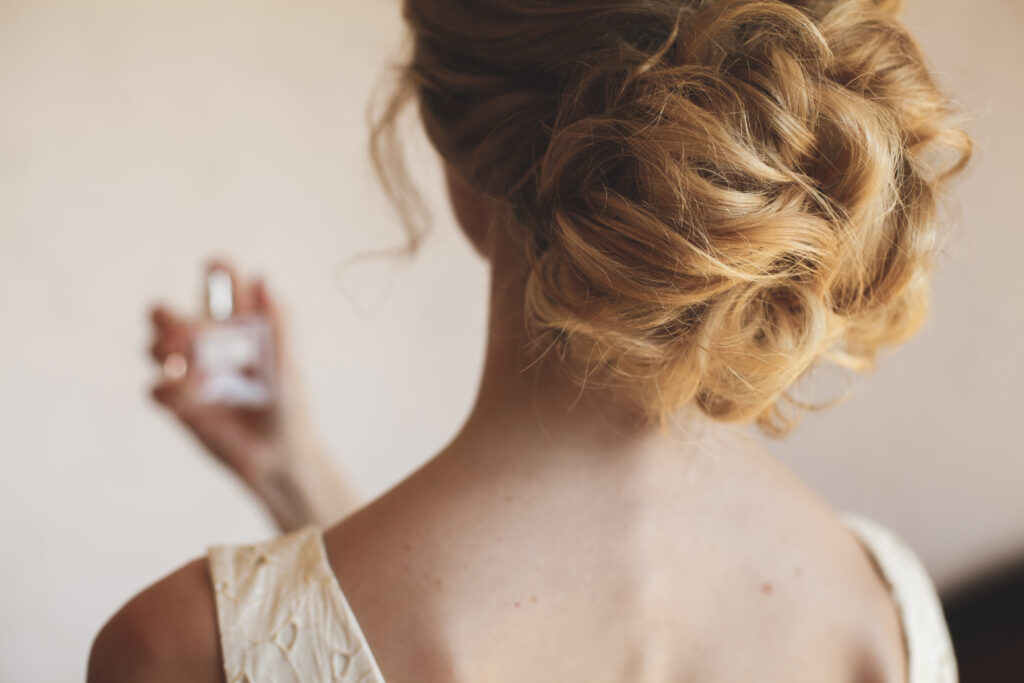
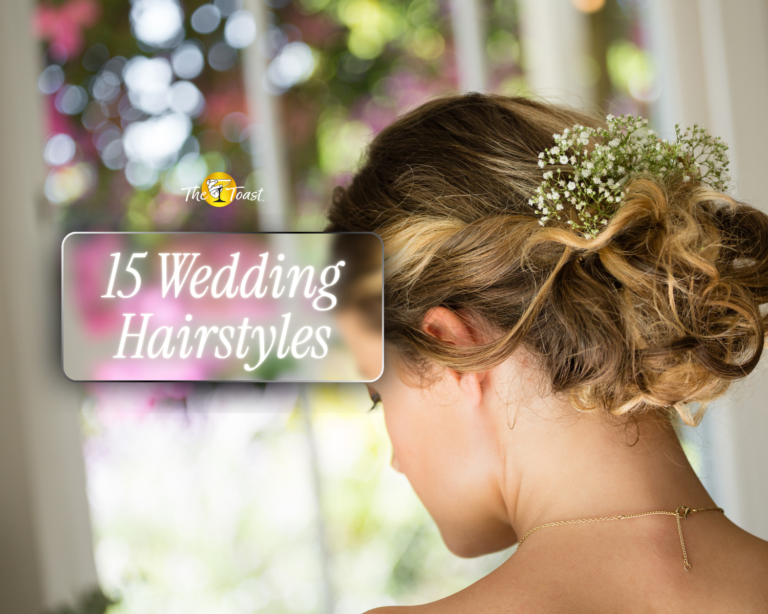
This is topping most 2026 bridal hair trend lists for a reason. It sits at the base of the neck, works with almost any veil placement, and reads as polished without looking severe, especially paired with a chunky, undone face frame instead of a slicked back finish.
2. Soft waves worn down
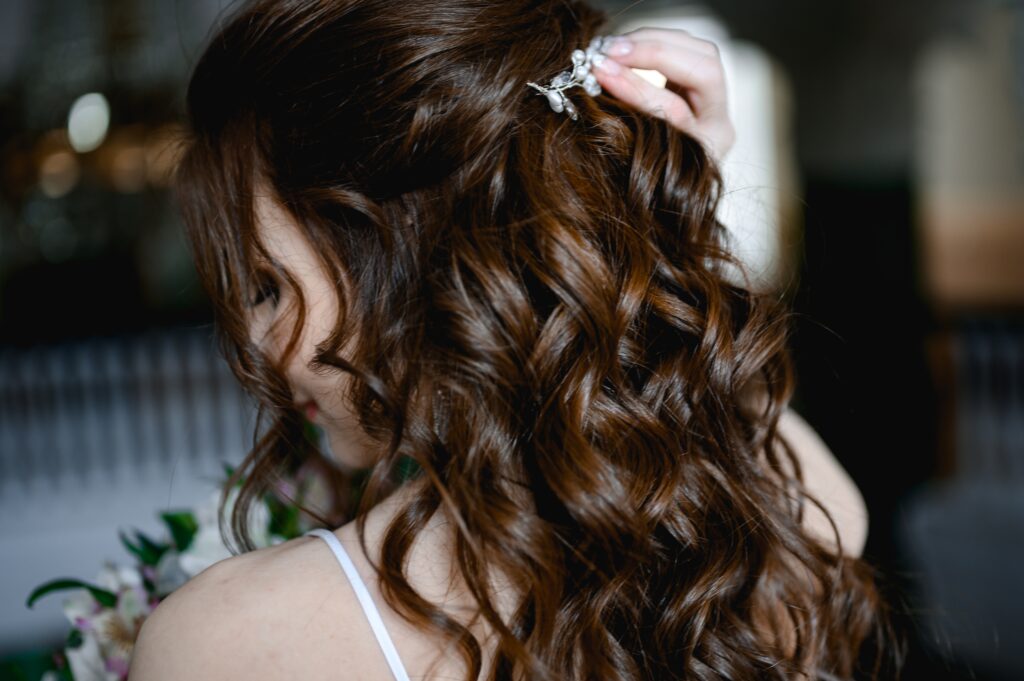
If you’re set on wearing your hair down, ask your stylist for soft, natural looking waves rather than a heavily curled, sprayed finish. That effortless, undone texture is where bridal hair is heading in 2026, replacing the tighter, high volume curls that dominated a few years ago.
3. Half up, half down with a braid
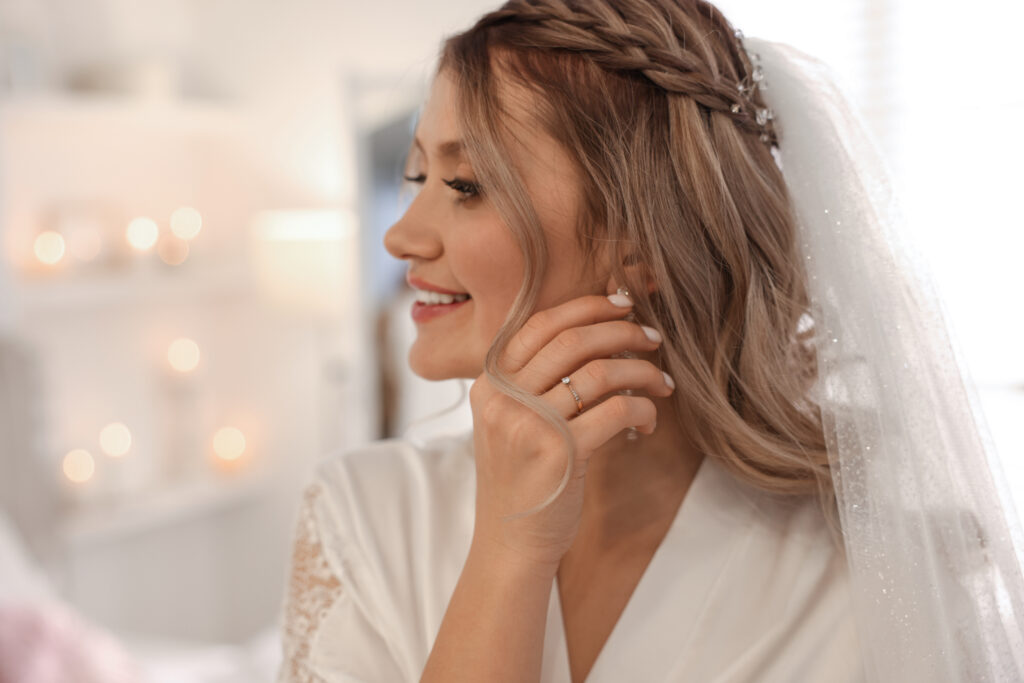
The crown section gets braided or pinned back and the rest is left to move during the reception, which matters more than people expect once dancing starts. It solves the “I don’t want to commit to fully up or fully down” problem without needing a single extra bobby pin once you’re on the dance floor.
4. The braided crown
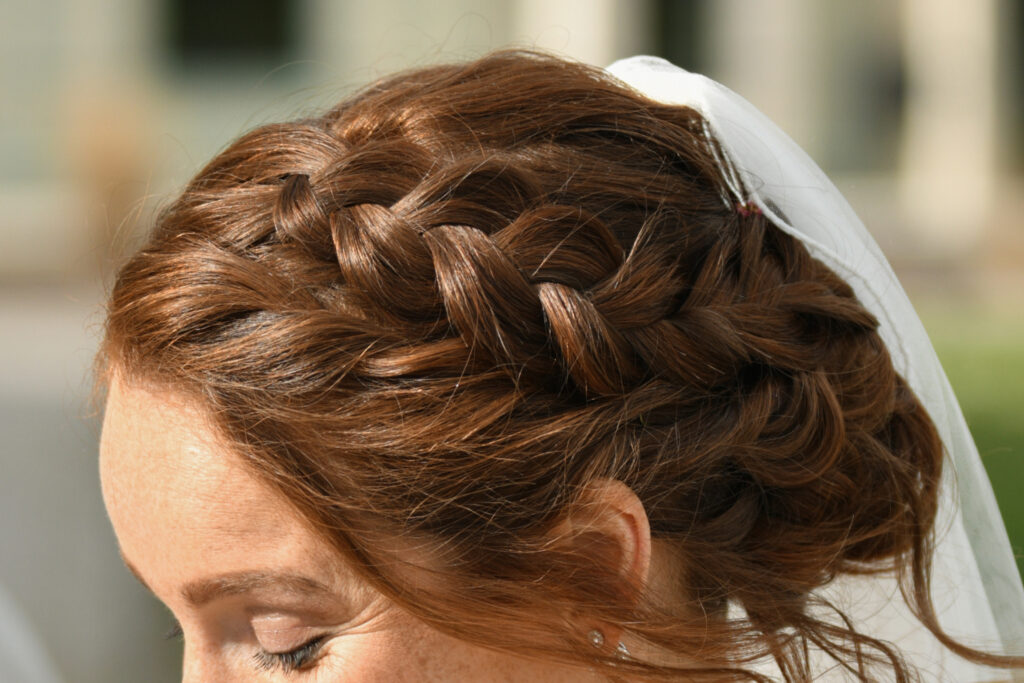
Braided crowns hold structure even as loose pieces fall out through a long day, which makes them a strong pick for outdoor or garden style ceremonies. They also work well over a shorter veil, since the braid itself becomes part of the look once the veil comes off.
5. The textured chignon
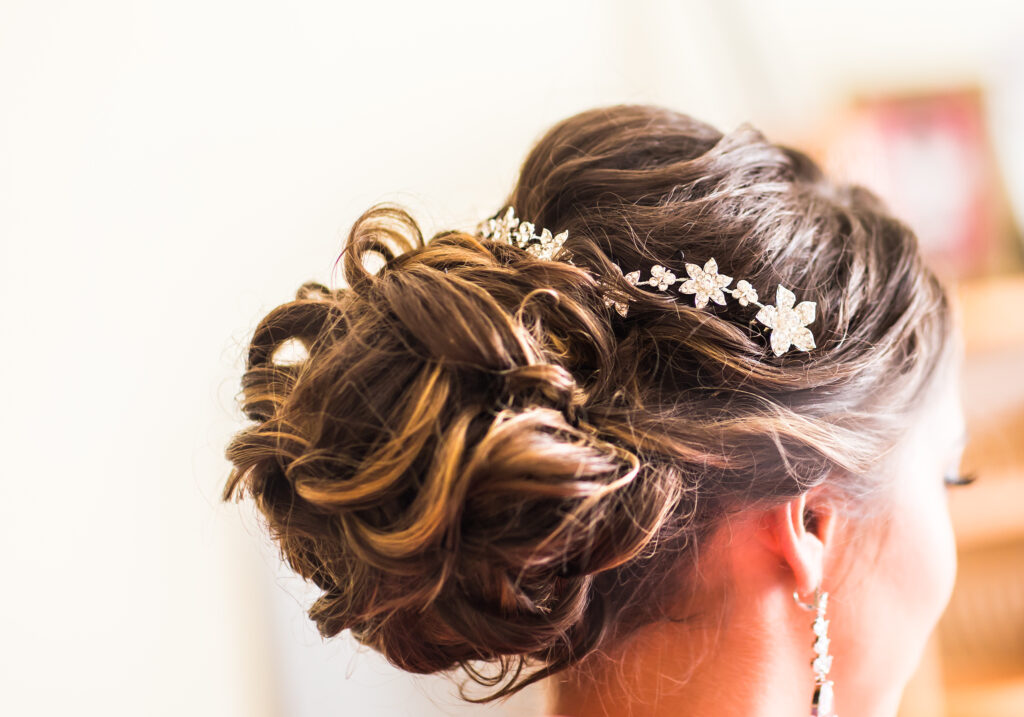
A slightly messy, low twisted bun is one of the more forgiving updo options at medium length, because the imperfection is the point rather than a flaw to fix. It photographs well from the back, which matters more than people expect once the ceremony details come out in photos.
6. The sleek low ponytail
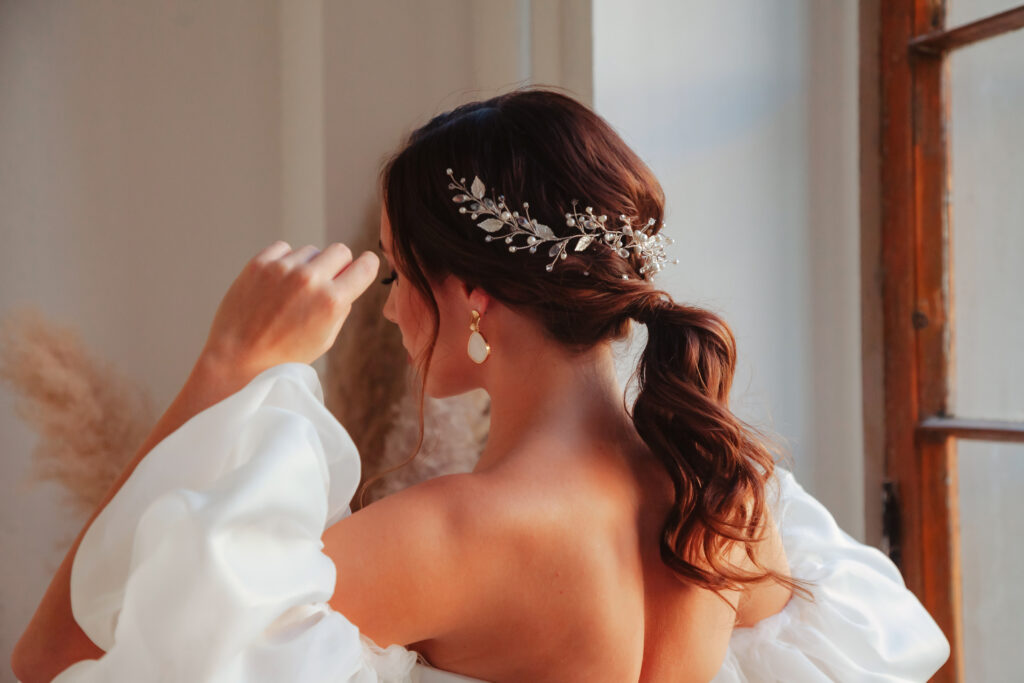
A glossy, tightly wrapped ponytail is a quieter alternative to a full updo for long hair, and it holds shape for hours since there’s less structure to loosen. A thin ribbon or a single statement clip at the base dresses it up without adding weight.
7. Curtain bangs with a half updo
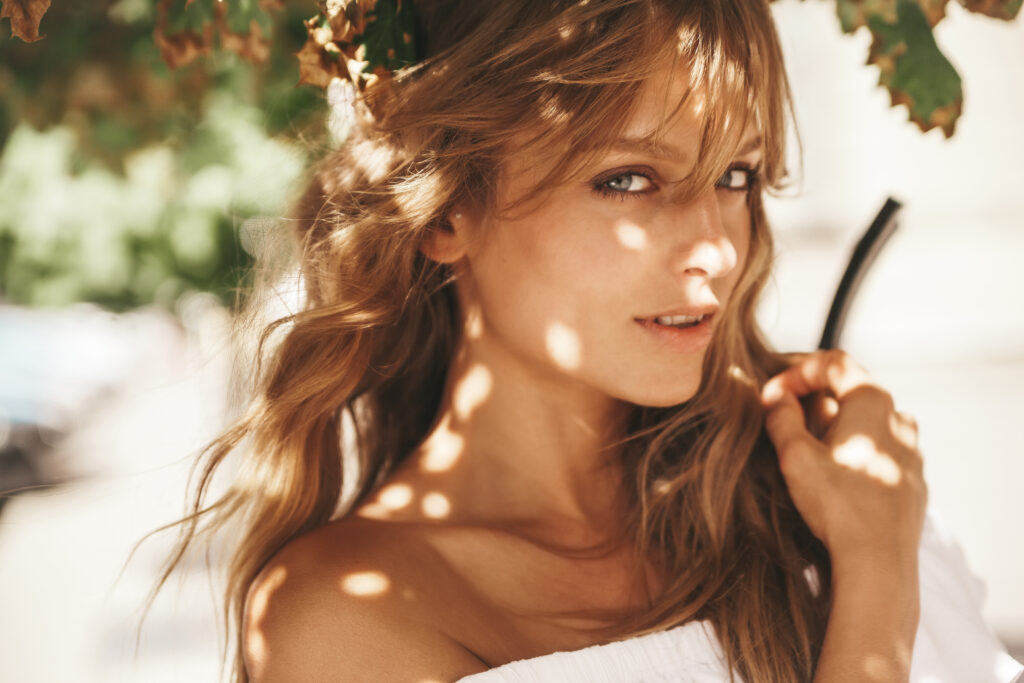
Face-framing pieces, whether from curtain bangs or pulled-out strands, are the one detail showing up across almost every 2026 trend list. They soften a half updo on nearly any length and keep the whole look from feeling too pulled back.
8. Finger waves
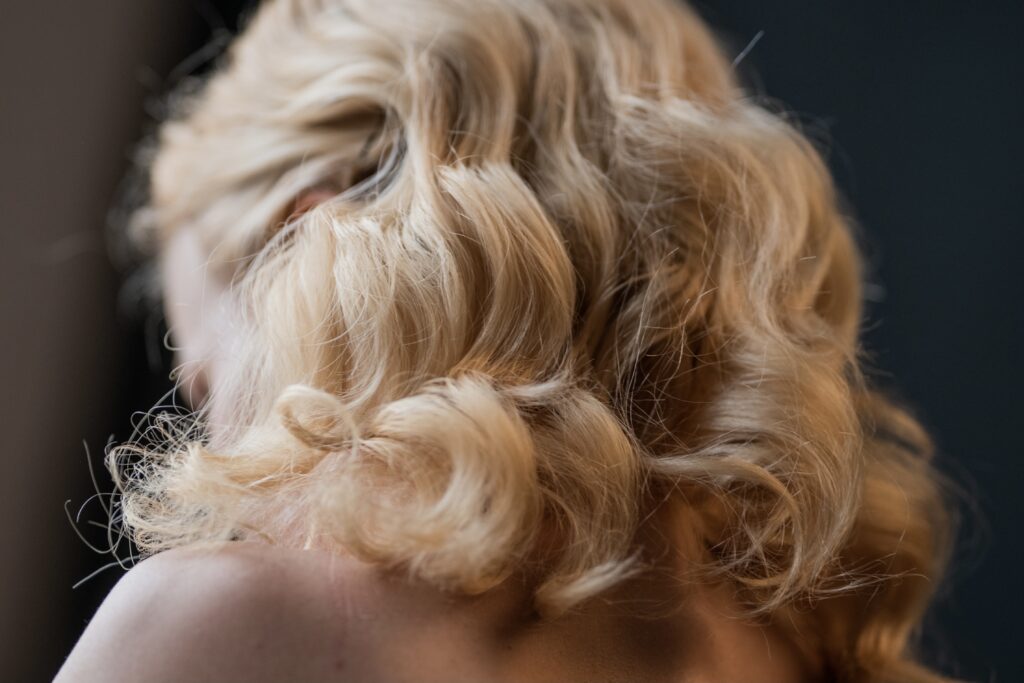
A deep side part with soft finger waves reads as vintage glamour without needing length you don’t have, which makes it one of the strongest short hair options on this list. It works especially well for art deco or 1920s inspired wedding themes.
9. Soft side-parted waves at medium length
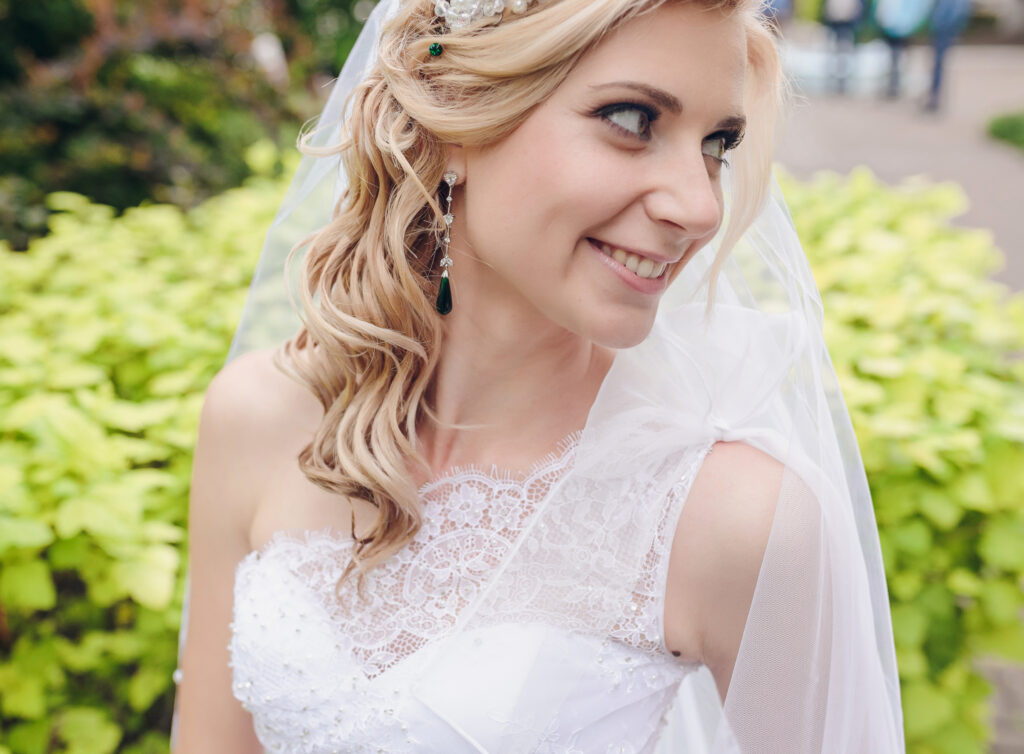
If an updo feels like too much upkeep, soft waves with one side pinned back keep hair out of your face for photos and vows without requiring a single bobby pin holding the whole style together. It’s the lowest-maintenance option on this list.
10. Double braids into a low bun
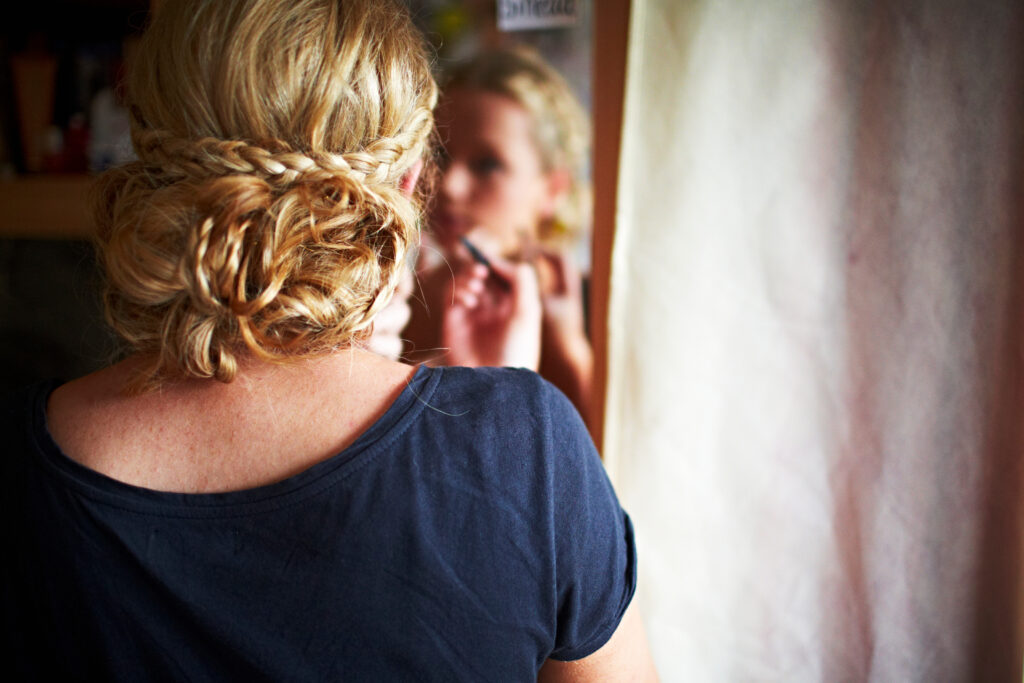
Two braids that meet and twist into a low bun add texture without the fuss of a fully hand-shaped updo, and the braids themselves help the style hold longer than a plain twisted bun would on its own.
11. The twisted half-up style
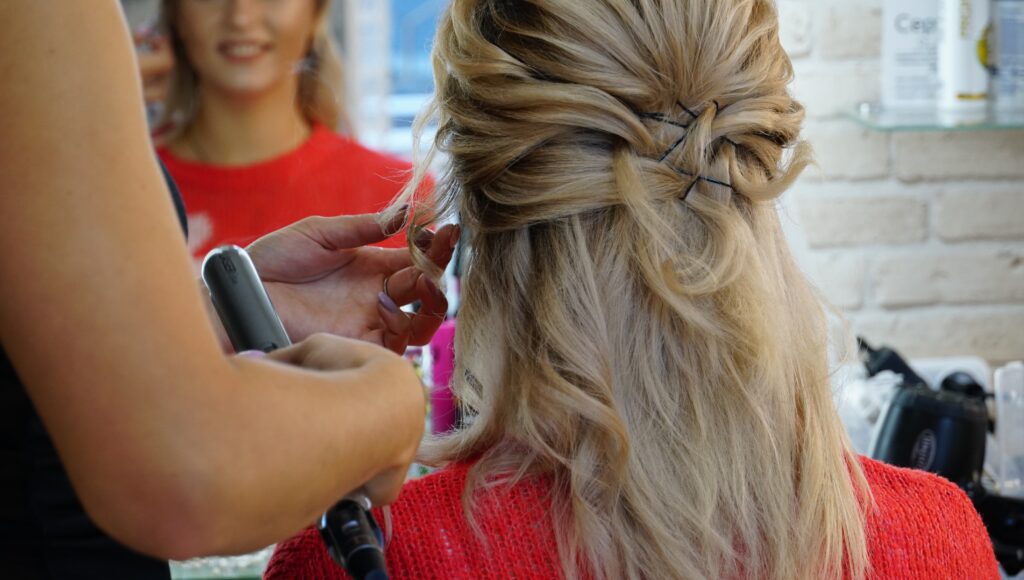
A simple twist at each side, pinned together at the back, gives shorter and medium hair some structure without committing to a full updo. It’s a practical option for anyone who wants their hair out of their face during vows but down for photos later.
12. The embellished clip on a bob
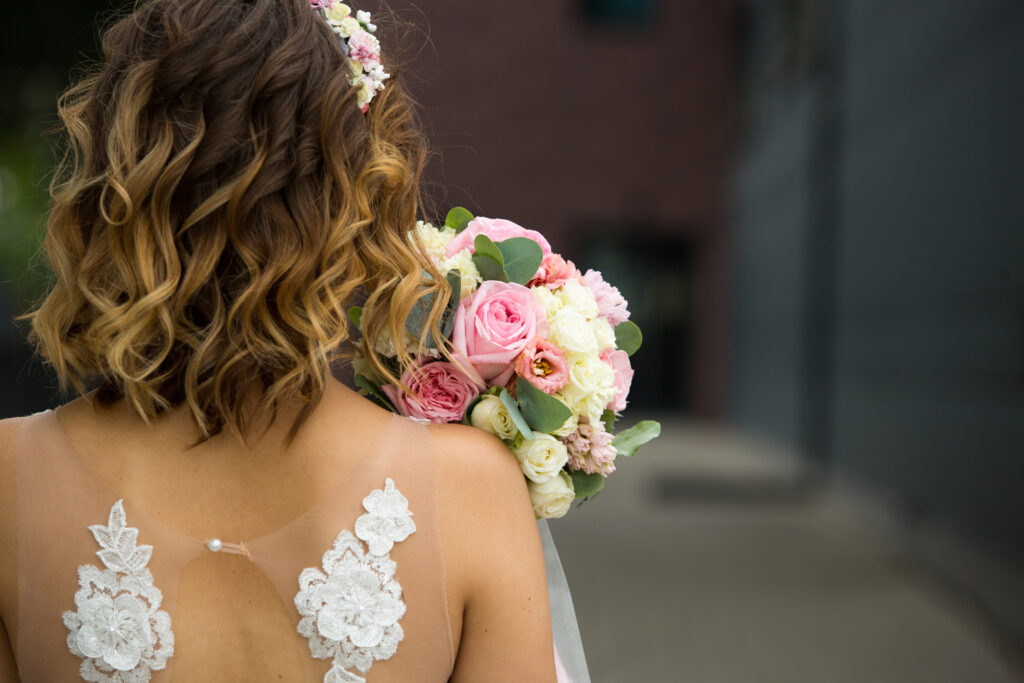
A comb or clip, placed just above the ear or at the crown, adds a formal touch to a pixie or bob without pretending it’s an updo. It’s a five-minute addition that changes an everyday cut into something clearly wedding-day.
13. The slicked back bun
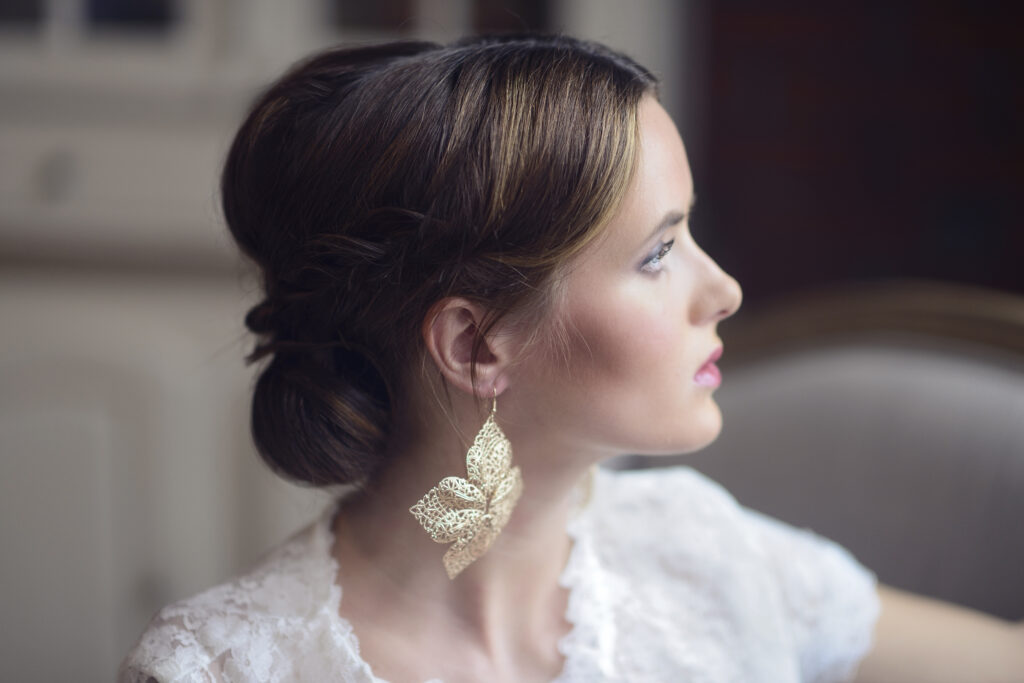
For thicker short or medium hair, a fully slicked back bun reads modern and architectural, and it holds shape for the entire reception since there’s little loose hair to fall out of place.
14. The textured pixie with a defined part
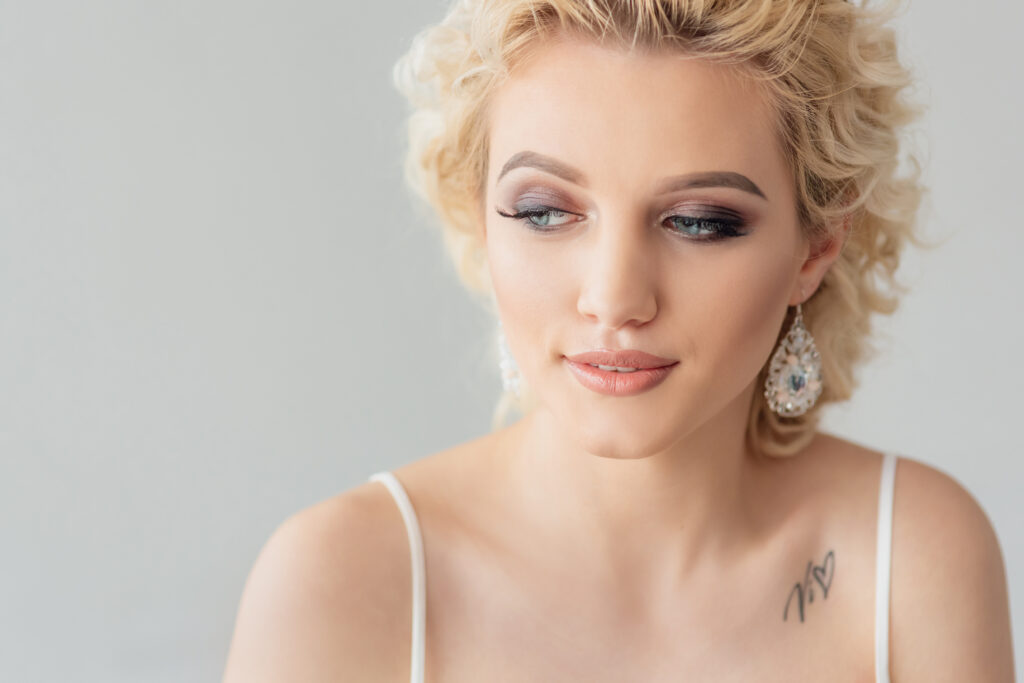
If your cut has natural texture, lean into it rather than fighting it flat. A textured, slightly undone pixie with a defined part often looks more intentional on a wedding day than an attempt to force volume that isn’t there naturally.
15. The classic chignon with a veil anchor point
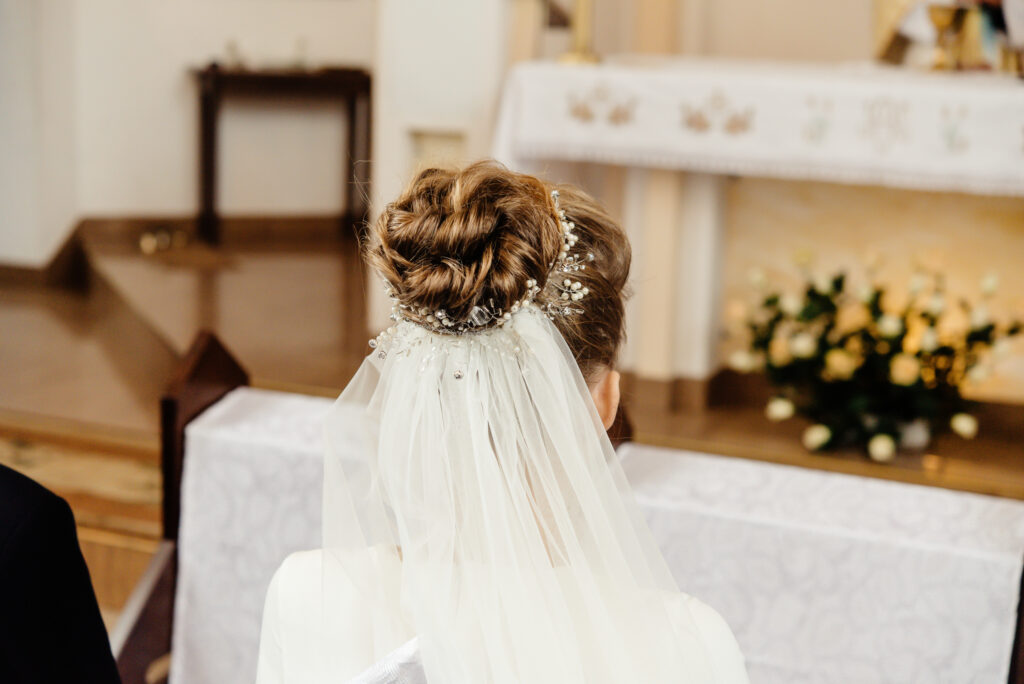
For long or medium hair paired with a cathedral length veil, a structured chignon gives the comb something secure to hold onto. It’s the most traditional option on this list, and still one of the most reliable for a veil that needs to stay put through the whole ceremony.
How to time your wedding hair trial (and what it actually costs)
Book your stylist itself six to twelve months out if they’re in demand for your date, but save the actual trial appointment for two to three months before the wedding. That window means you’ve already chosen your dress and settled on a general aesthetic (boho, classic, garden, modern) so you’re not testing a style in a vacuum.
Budget for it separately from your day of styling cost. A standalone trial typically runs $100 to $250, and most stylists offer it at a discount off their full wedding day rate rather than charging the same amount twice, according to The Knot. Full wedding day hair styling averages $175 to $225 for a standard updo or styled down look, though it climbs quickly in major markets. If you’re already mapping out where hair and makeup fit against your venue and catering costs, building out the rest of your wedding budget at the same time keeps this from becoming a surprise line item later.
If you’re on the fence between two styles, ask your stylist to do a half trial: one style on one side of your head, a second on the other, photographed from the same angles you’ll actually be photographed from on the day.
Matching your hairstyle to your dress neckline and veil
A wedding hairstyle isn’t chosen in isolation. A high neckline or a lot of beading around the collarbone usually looks cleaner with an updo, since down hairstyles can visually compete with detailing that’s meant to be seen. A low back or illusion neckline is the opposite case: an updo that shows off the back of the dress is often the whole point of the silhouette.
Veils matter just as much. A cathedral veil generally needs a style with enough structure to anchor a comb securely, which rules out very loose, barely-there waves. A shorter veil, like a blusher or fingertip length, works with almost anything, since it’s removed earlier in the day and isn’t carrying the same weight.
Your hair only has one job today: Staying exactly where you left it
By the time you’re standing at the altar, the goal isn’t a hairstyle that looks like a magazine spread, it’s one that survives a hug from your grandmother, a windy exit from the ceremony, and four hours on a dance floor without you thinking about it once. That’s really what all of this comes down to: picking a style your hair and your day can actually deliver on, not just one that photographed well on someone else.
Whatever you land on, the trial is what turns a Pinterest idea into a real plan. Walk in with two or three options instead of one, take photos from the angles your actual photographer will use, and let your stylist tell you honestly what your hair will and won’t hold for twelve hours straight.
And once your hair (and everything else) survives the day exactly as planned, you’ll want more than photos to remember it by. The Toast turns your guests’ voices, toasts, and messages into a keepsake you’ll actually watch again, not just a folder of raw clips. Because the hairstyle is for one day, but the people who showed up for you are worth holding onto longer.
FAQs about wedding hairstyles
How far in advance should I schedule a wedding hair trial?
Book your stylist six to twelve months before your wedding if they’re in high demand for your date, but schedule the actual trial appointment two to three months out. That gives you time to have chosen your dress and general aesthetic first, so the trial reflects the full look rather than guessing at it in isolation.
How much does wedding hair styling cost?
A standalone trial typically runs $100 to $250, and full wedding day styling averages $175 to $225 for a standard updo or styled down look, though prices climb in major metro areas. Most stylists offer trials at a reduced rate rather than charging full price twice.
What’s the best wedding hairstyle for fine or thin hair?
Low buns and half up styles tend to hold best on fine hair since they rely less on volume that fine strands can’t naturally produce. Ask your stylist about backcombing at the crown or using a small amount of hair padding for a bun that won’t collapse by the reception.
Should I match my hairstyle to my veil or dress neckline?
Yes, and it’s worth deciding this before you fall in love with a specific look. A high or heavily beaded neckline usually pairs better with an updo, a low back dress often calls for one, and a cathedral length veil needs enough structure in the style to anchor it securely.
How can I make sure my wedding hairstyle lasts all day?
Use the trial to test longevity, not just the look, by asking your stylist what products they used and how the style held up after a few hours. On the day, a strong holding spray, securely placed pins, and avoiding touching your hair unnecessarily go further than any single product.