Planning a wedding means coordinating a team of professionals, all of whom need to be in the right place at the right time with the right information. Between photographers, florists, caterers, and officiants, it’s easy to feel like the wedding vendor list never ends.
The good news: most couples only need a core group of essential vendors to have a day that runs smoothly. Beyond that, it comes down to your priorities, style, and budget. This guide walks through every vendor category you need to know about, when to book each one, what each typically costs, and how to keep everything organized between now and the big day.
When to book your wedding vendors
Booking vendors in the right order prevents scheduling conflicts and protects your budget. Most core vendors should be secured 12 to 18 months out. The further you are from peak season or major metro areas, the more flexibility you have, but the safest approach is always to book earlier rather than later.
| Timeline | Vendors to book | What to do |
|---|---|---|
| 12 to 18 months out | Venue, wedding planner, photographer, videographer, caterer | Lock in your date, review contracts, pay deposits |
| 8 to 12 months out | Florist, DJ or band, officiant, hair and makeup | Confirm style vision, book trials, verify availability |
| 6 to 8 months out | Cake designer, transportation, rentals, specialty vendors | Finalize menus, logistics, and any unique experience adds |
| 2 to 4 months out | Stationer, alterations, photo booth | Confirm guest count, finalize day-of details and programs |
| 1 to 2 weeks out | All vendors | Send final timeline, confirm arrival times, settle balances |
The essential wedding vendors (and what they actually cost)
Not every couple needs every vendor on this list. Read through each category, decide what’s essential for your day, and build your wedding vendor list from there.
Wedding planner or coordinator
A wedding planner manages your vendor relationships, builds your timeline, and runs the day so you don’t have to. Even a day-of coordinator is worth the investment: they’re the person who catches problems before you ever hear about them.
When to book: 12 to 18 months out. Top planners fill their peak-season calendars fast.
Average cost: Full-service planning runs $2,500 to $8,000. Day-of coordination is typically $800 to $2,500.
Venue
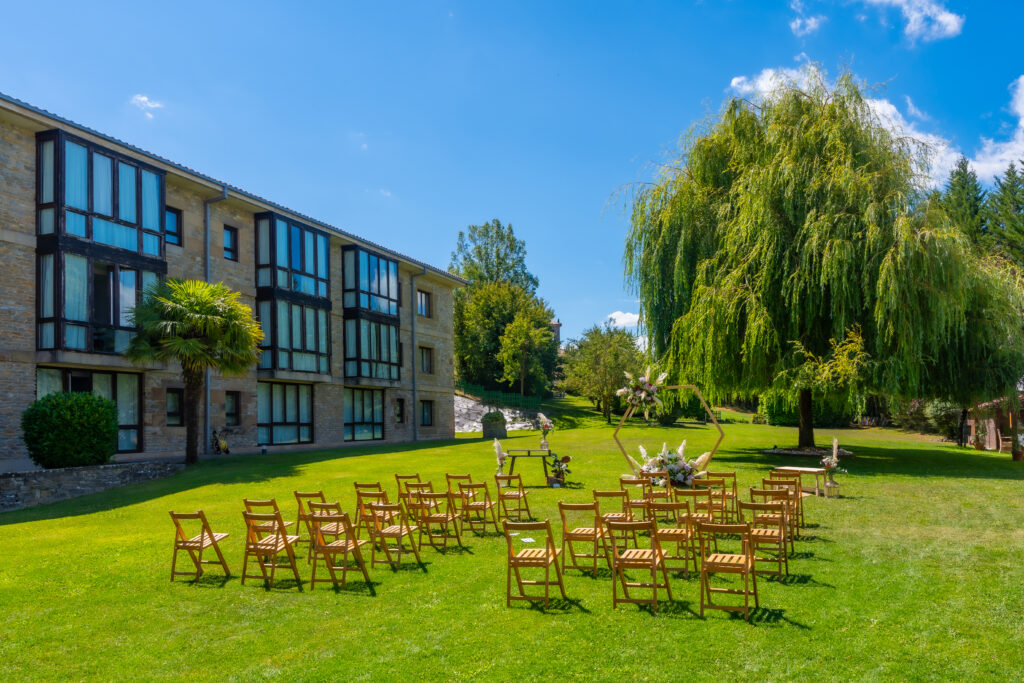
Your venue decision shapes almost everything else: your date, guest count ceiling, catering options, décor direction, and whether you need additional rentals. Nothing else can be confirmed until this is locked in.
Some venues offer all-inclusive wedding packages that bundle catering, tables and chairs, lighting, and sometimes florals into a single fee. These can simplify planning and reduce total cost, though they come with less flexibility on vendors. Worth asking about upfront.
When to book: 12 to 18 months out for peak-season Saturdays. Off-peak dates have more room, but don’t wait.
Average cost: Venue and catering combined typically take 45 to 50% of the total wedding budget. According to The Knot’s 2026 Real Weddings Study, the average US wedding cost is $34,000, putting the venue and catering share at roughly $15,000 to $17,000.
Wedding photographer
Your photographer is arguably the most important vendor you’ll book. Their work is what you’ll look at for the rest of your life, which is why most budget experts recommend allocating 10 to 12% of your total budget to photography.
According to The Knot Real Weddings Study, the average cost for a wedding photographer is around $3,000 for 8 to 10 hours of coverage. In high-cost markets like New York, Los Angeles, or San Francisco, the average cost of wedding pictures is closer to $5,000 to $8,000. Smaller cities and off-peak dates bring that number down significantly.
When researching photographers, always ask to see a full gallery from a recent wedding, not just highlight reels. Highlight portfolios show best-case work; a full gallery shows consistency.
When to book: 9 to 12 months out. For peak-season Saturdays, go longer. Popular photographers in competitive markets book 12 to 18 months ahead.
Average cost for wedding photos: $2,000 to $6,000 in mid-range markets. Budget $1,500 to $2,500 for emerging talent; $6,000+ for senior photographers in premium markets.
Videographer
A videographer captures the ceremony, the vows, and the sweep of the day in a way that photos can’t. Many studios offer combined photo and video packages, which are usually more cost-effective than booking both separately.
When to book: Same timeline as your photographer: 12 to 18 months out for peak dates.
Average cost: $1,800 to $4,500 for full-day coverage. Combined photo and video packages from a single studio typically run $4,500 to $8,000.
Caterer
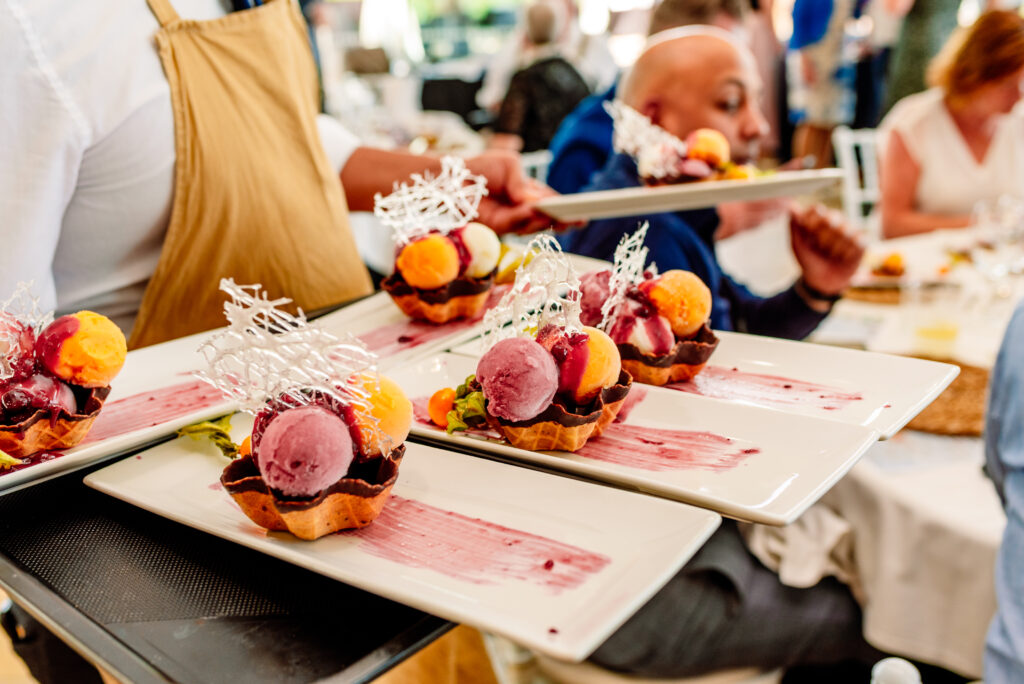
Food is one of the most memorable parts of a wedding for guests. If your venue doesn’t include catering in-house, you’ll need to source and vet a caterer separately. Per-person catering costs vary widely based on service style: buffet is typically $50 to $85 per person; plated service runs $85 to $150 per person.
When to book: 12 months out. Schedule tastings with at least two or three options before committing.
Florist
Florals set the atmosphere and visual tone of the day. The florist cost depends on your guest count, the complexity of your arrangements, and how many installations you want (ceremony arch, hanging arrangements, centerpieces at every table).
The average cost of a wedding bouquet ranges from $150 to $350 for a bridal bouquet. Bridesmaid bouquets average $60 to $125 each. Average wedding flower centerpieces run $75 to $300 per table depending on size and design. A ceremony arch or installation typically adds $300 to $1,500.
Total average floral budget for a 100-guest wedding: $2,500 to $5,000, though couples prioritizing florals often spend significantly more. According to Zola’s data, the national average is closer to $6,300 when including all floral elements.
Budget tip: choosing in-season flowers saves 20 to 40% on sourcing costs. Repurposing ceremony flowers in the reception also stretches the floral budget meaningfully.
When to book: 6 to 12 months out, especially for peak-season dates. Book early if you have a specific florist in mind.
DJ or band
Music sets the energy for the entire reception. A DJ typically offers more flexibility on song selection and can double as an emcee. A live band creates a different atmosphere but comes at a higher cost.
If you’re looking to keep costs manageable, finding an affordable wedding DJ is often possible in most markets: mid-range DJs typically charge $1,000 to $2,500. A band for a wedding or party can run $3,000 to $10,000 or more depending on size, experience, and market.
When to book: 8 to 12 months out.
Officiant
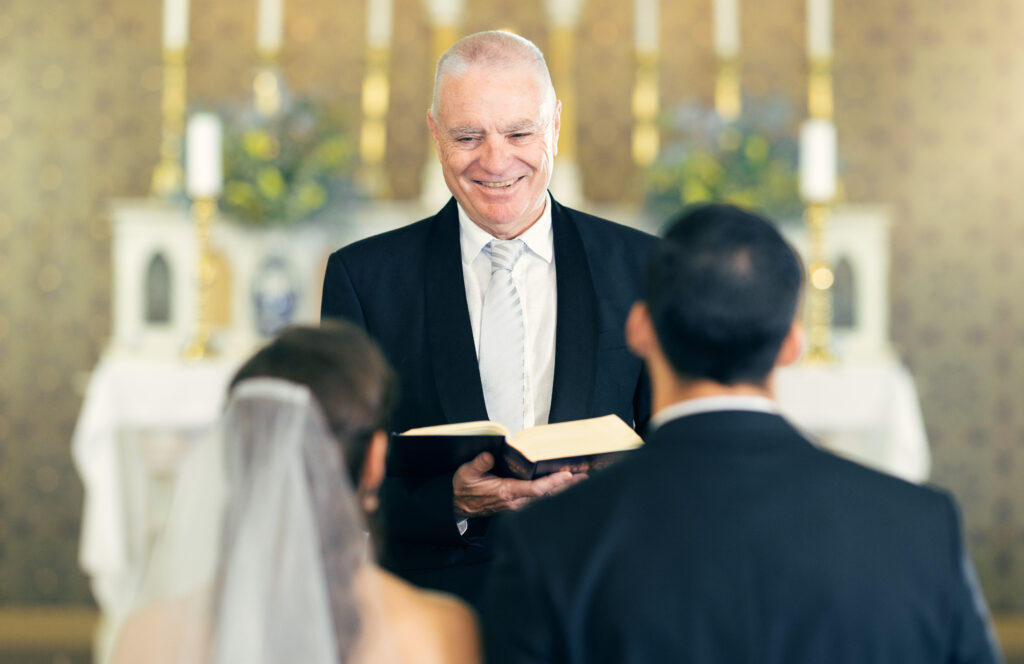
No officiant, no marriage. Whether you choose a religious leader, professional celebrant, or someone close to you, your officiant sets the tone for the ceremony.
How to find a wedding officiant or how to find an officiant generally: start with personal referrals from couples whose ceremony tone you loved, then look at platforms like The Knot or WeddingWire, which both include officiant directories with verified reviews.
When to book: 8 to 12 months out. The best officiants fill their calendars quickly.
Average cost: $300 to $800 for a professional officiant.
Hair and makeup
Schedule trials before booking, not after. Trials are how you confirm the artist can actually execute your vision, not just their portfolio work. Most hair and makeup artists for weddings offer bridal party pricing, so get a quote that includes the full group if applicable.
When to book: 8 to 12 months out. The most sought-after artists fill peak-season Saturdays far in advance.
Average cost: $300 to $700 for bridal hair and makeup. Add $100 to $300 per additional bridesmaid.
Cake designer
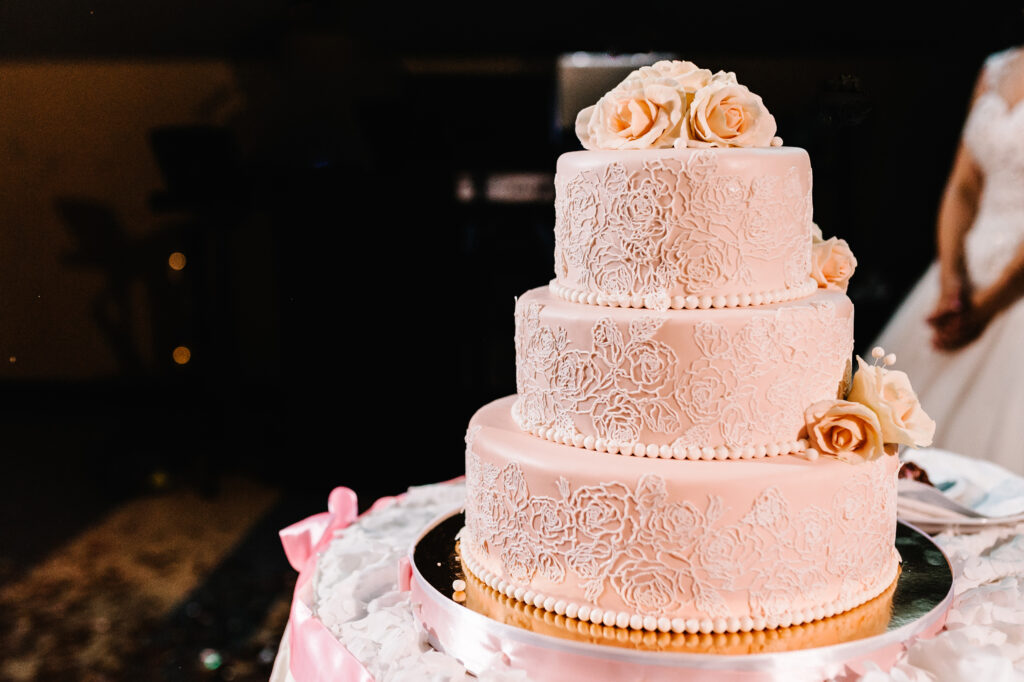
Fall and summer wedding cake flavors especially are having a moment, but the more important decision is logistics: how the cake will be delivered, assembled on-site, and handled in warm weather. Ask about the delivery fee and whether the design fee is separate from the cost of the cake itself.
When to book: 6 to 8 months out.
Average cost: $500 to $1,200 for a tiered cake serving 100 guests. Elaborate designs and premium flavors push costs higher.
Transportation
Couples typically book transportation for the wedding party between ceremony and reception, and sometimes for guests traveling between venues or hotels. Confirm the number of vehicles, pickup points, and whether the service includes gratuity in the quote.
When to book: 6 to 8 months out.
Average cost: $500 to $1,200 depending on vehicle type and distance.
Rentals
If your venue doesn’t include tables, chairs, linens, chargers, or lighting, a rental company fills that gap. Get the full quote before signing the venue contract so you know what your total event cost actually looks like.
When to book: 6 to 8 months out, after the venue is confirmed.
Vendors worth considering (not always essential)
Depending on your budget, style, and guest experience priorities, these are worth evaluating:
Photo booth or experience vendor: A fun, interactive guest activity. Ranges from $700 to $2,000 depending on setup.
Lighting designer: Transforms how the venue looks in photographs and on the dance floor. Often overlooked and consistently praised by couples who book one.
Wedding stationer: Covers invitations, programs, menus, escort cards, and signage. Budget $500 to $2,000 for a full suite.
Day-of beauty touch-up artist: Less common but appreciated at long receptions in warm weather.
Live painter: A growing trend for 2026. A painter captures the ceremony or reception in real time, creating a memorable keepsake and a natural reception conversation piece.
How to manage your vendor list once it’s built
A wedding vendor checklist is only useful if it’s current. Every vendor you book should have their own row in your vendor tracker with contact details, quoted price, deposit paid, balance due, payment due date, and arrival time on the day.
Keep this in a shared document with your partner so neither of you is the single point of failure on vendor communication. A few things to confirm with every vendor 1 to 2 weeks before the wedding: final headcount (where relevant), their exact arrival time at the venue, who their point of contact is on the day, and whether their balance is settled or still due.
One vendor category that often gets overlooked
Your photographer captures how the wedding looks. Your videographer captures the ceremony and the sweep of the day. But there’s a gap that neither covers: the voices of the people who showed up for you.
Your best friend’s toast. Your grandmother’s message recorded from across the country. Your college roommate’s story that had everyone in tears. These are the moments that fade fastest, and they’re rarely planned into any vendor timeline.
That’s where The Toast comes in. While your vendor team handles the sights and sounds of the venue, we capture your guests’ voices: video messages recorded from anywhere, before or during the wedding, professionally edited into a keepsake you’ll watch long after the flowers have dried.
There’s the ceremony video. And then there’s this.
Book a free discovery call and we’ll show you what a finished keepsake looks like.